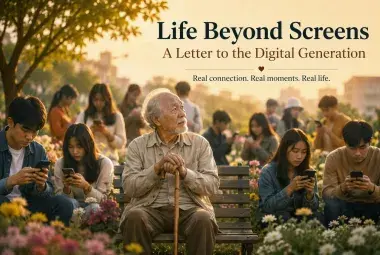
There are moments online that stop you in your tracks. You are scrolling as usual, moving past the noise, the memes, the updates, the endless stream of content. Then suddenly, something hits you. A story. A face. A glimpse into someone else’s life that feels painfully real. It makes you pause. It makes you feel. It makes you remember that behind every screen, there are people carrying burdens you may never fully understand.
That is exactly what happened when I clicked on a Facebook link someone sent me.
At first glance, it seemed like one of those human interest stories that social media has become known for. It told the story of a Grab delivery rider. Someone working long hours, enduring traffic, weather, and exhaustion just to earn a living. The kind of story that reminds you of the invisible struggles happening all around us every day. It was heartbreaking. Not in a dramatic or exaggerated way, but in a quiet, heavy way that stays with you.
You read it and feel a sense of empathy. Maybe even guilt. You think about how often you take convenience for granted. You think about how many people are working behind the scenes just to keep life moving for others.
Then something changes.
You click the link inside the article to learn more.
And instead of deeper insight, instead of more context, instead of a continuation of the story that moved you, you are redirected to something completely different. A product. A promotion. A sales page. Suddenly, the emotional weight of the story feels manipulated. The sincerity you thought was there begins to feel like a setup.
It leaves a bitter taste.
Image

This experience raises an uncomfortable question. Is this what the internet has become? A place where even the pain and struggles of real people are turned into tools for profit?
There is nothing new about marketing. Businesses have always tried to connect with people emotionally. Storytelling has always been part of selling. But there is a difference between telling a story to inspire and using a story to exploit.
What I saw in that Facebook post felt like exploitation.
The story of the delivery rider was not treated with respect. It was not shared to raise awareness or to start a meaningful conversation. It was used as bait. Emotional bait designed to draw people in, to make them feel something strong enough that they would click the next link without thinking.
And when they did, they were no longer engaging with the story. They were being funneled into a marketing strategy.
That shift from empathy to manipulation is where the problem lies.
There was a time when stories like these would lead to something meaningful. Maybe a discussion about labor conditions. Maybe a call to action to support workers. Maybe even a simple reminder to be kinder to the people who serve us every day.
Now, too often, they lead to a product page.
It makes you wonder what happened to human decency.
When did we start seeing people’s struggles as opportunities rather than realities that deserve respect?
Image

The truth is, the internet has changed the way people think about value.
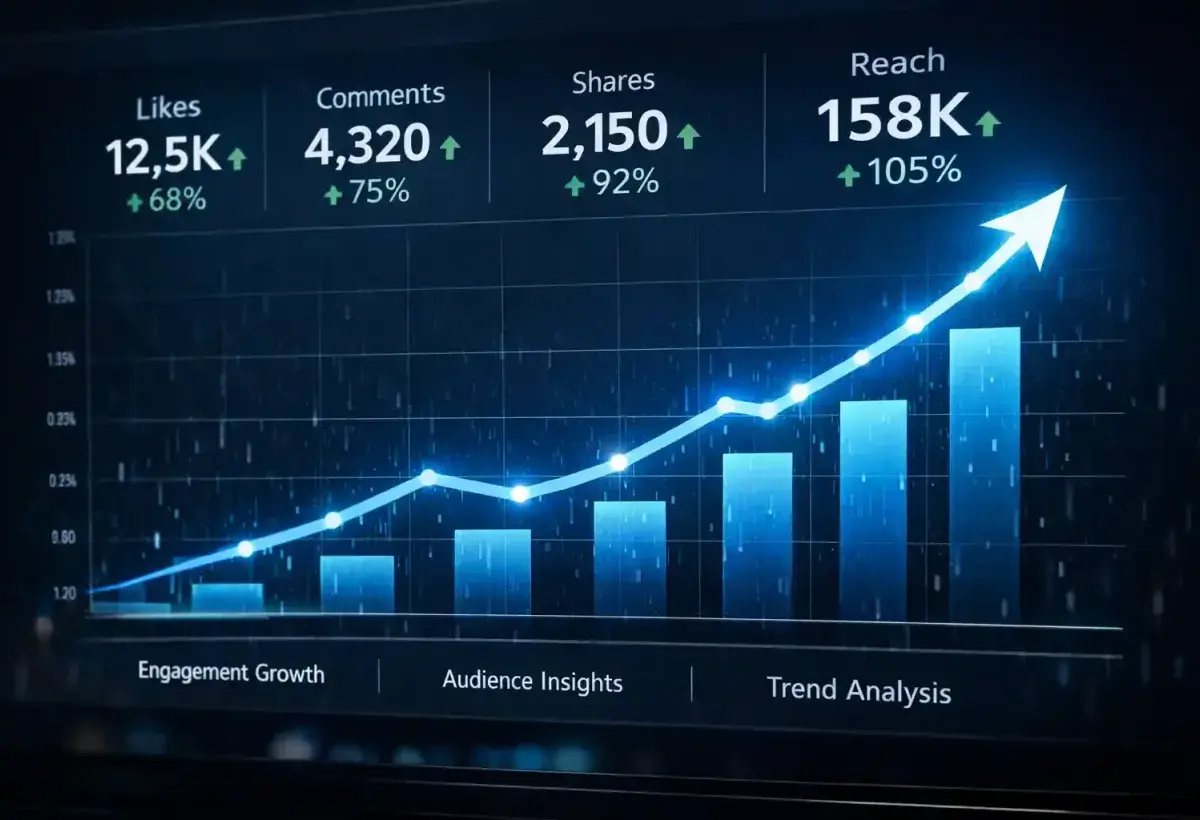
Attention has become currency. Clicks have become profit. Engagement has become a measurable asset. And in this environment, anything that can capture attention becomes a tool.
Emotion is one of the most powerful tools available.
Sadness. Anger. Shock. These are the emotions that drive people to stop scrolling. They make people engage. They make people share. And because of that, they have become commodities.
But when emotion becomes a commodity, something important is lost.
The human being at the center of the story becomes secondary.
The Grab delivery rider in that article is not just content. He is a person. Someone with a life beyond that moment. Someone with responsibilities, dreams, and struggles that cannot be reduced to a headline.
When his story is used as a hook to sell something, it strips away his dignity. It turns his hardship into a means to an end.
And that is where the line should be drawn.
It is easy to blame individuals for this kind of behavior. To point at the person who posted the article and say they should know better. And in many ways, that is true. There is a responsibility that comes with sharing content, especially when it involves real people and real struggles.
But the issue runs deeper than one person.
This is part of a larger culture that has developed online.
A culture where success is measured by views and clicks. Where algorithms reward engagement without questioning intent. Where the pressure to monetize can push people to make choices they might not have considered otherwise.
Still, acknowledging the system does not excuse the behavior.
There is always a choice.
Image
People can choose to share stories with integrity.
They can choose to respect the individuals behind the content.
They can choose to create value without exploiting vulnerability.
It may not always be the fastest way to grow. It may not always generate the highest immediate returns. But it builds something more important.
Trust.
And trust is something that cannot be faked.
When you read a story that feels genuine, you can tell. There is a difference in tone. A difference in intention. It does not try to trick you into clicking something unrelated. It does not redirect your emotions toward a hidden agenda.
It simply tells the story.
And sometimes, that is enough.
The incident with that Facebook link also highlights another issue. The growing gap between what content appears to be and what it actually is.
At first glance, the article looked like a sincere piece of storytelling. But beneath the surface, it was structured as a funnel. A pathway designed to guide the reader from emotion to action in a way that benefits the creator financially.
There is nothing inherently wrong with earning money online. In fact, it is one of the most powerful aspects of the internet. It allows people from all backgrounds to create opportunities for themselves.
But how that money is earned matters.
Image

There is a line between ethical marketing and exploitation.
Ethical marketing respects the audience. It is transparent about its intentions. It provides value without deception. It does not rely on misleading tactics to achieve its goals.
Exploitation, on the other hand, takes advantage of emotion without regard for the impact. It prioritizes profit over integrity. It uses whatever means necessary to capture attention, even if it means distorting reality.
The Facebook post I encountered crossed that line.
And it is not an isolated case.
This pattern is becoming more common.
Stories of hardship are packaged and shared in ways that maximize emotional response. They are often incomplete, lacking context, or framed in a way that amplifies their impact. Then, once the reader is engaged, they are redirected toward something unrelated.
It is a strategy that works.
But at what cost?
The cost is not just the erosion of trust.
It is the normalization of a mindset where human suffering is seen as a resource.
That is a dangerous shift.
Because once that line is crossed, it becomes easier to justify similar actions in the future. It becomes easier to see people as content rather than individuals. It becomes easier to prioritize profit over empathy.
And over time, that mindset spreads.
Image
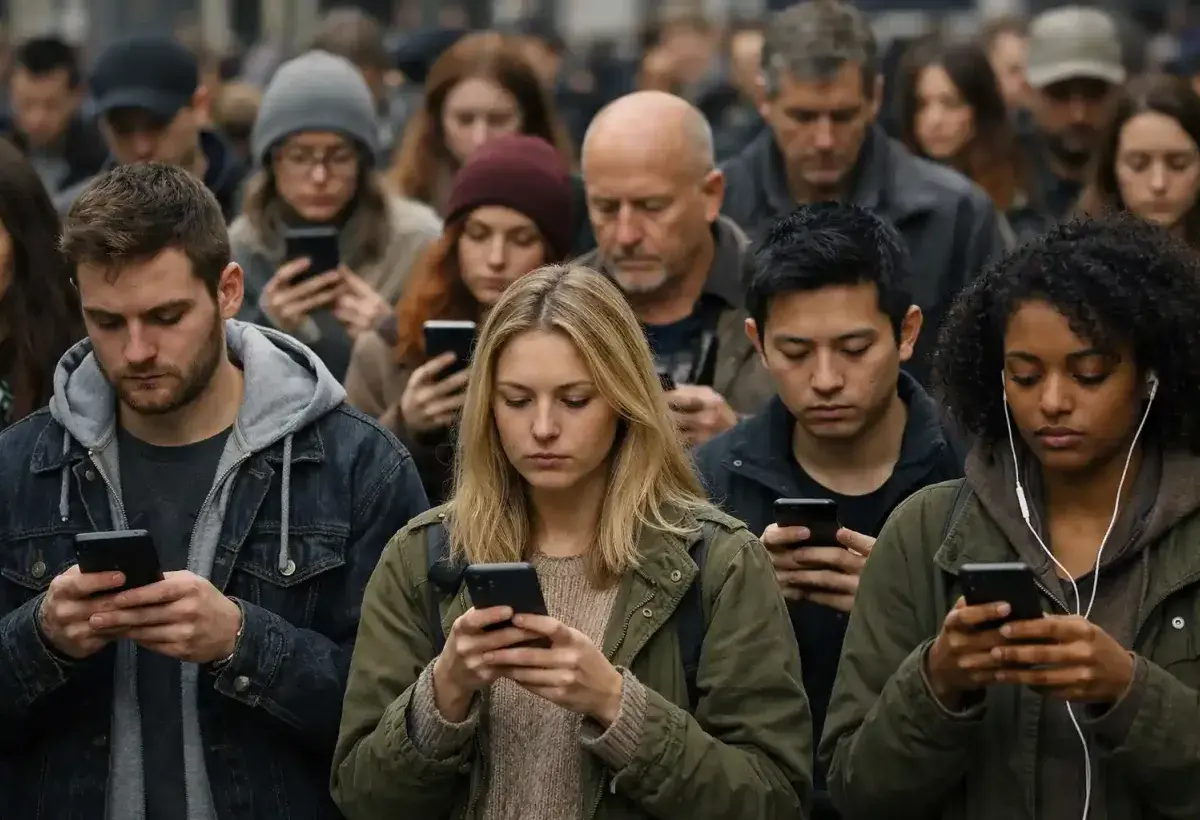
The internet reflects the values of the people who use it.
If enough people engage with this kind of content without questioning it, it continues to grow. It becomes part of the ecosystem. It becomes the norm.
But the opposite is also true.
If people start to recognize these patterns and reject them, they lose their effectiveness.
That is where change begins.
As users, we have more power than we think.
Every click, every share, every interaction sends a signal. It tells platforms what kind of content should be promoted. It tells creators what works and what does not.
If we continue to engage with exploitative content, we are indirectly supporting it.
But if we choose to disengage, to question, to seek out more authentic stories, we start to shift the landscape.
There is also a responsibility on the part of content creators.
Not everyone who uses these tactics does so with malicious intent. Some may simply be following trends. Some may not fully consider the impact of their actions. Some may feel pressured to compete in a crowded digital space.
But awareness matters.
Understanding the difference between storytelling and exploitation is the first step toward making better choices.
Image

Imagine if that Facebook post had taken a different approach.
Imagine if it told the story of the Grab delivery rider in a way that honored his experience. If it provided context about the challenges faced by delivery workers. If it encouraged readers to reflect, to appreciate, to support in meaningful ways.
Imagine if the link led to more information about improving working conditions, or ways to help, or even just a continuation of the story that gave the reader a deeper understanding.
That would have been powerful.
That would have made a difference.
Instead, it turned a moment of empathy into a transaction.
And that is what makes it feel so wrong.
It is easy to say “shame on the person who posted it.” And in many ways, that reaction is justified. There should be accountability for actions that exploit others.
But beyond that, there is a broader question we all need to ask ourselves.
What kind of internet do we want to be part of?
Do we want a space where every emotion is monetized, where every story is a potential sales funnel, where authenticity is sacrificed for engagement?
Or do we want something better?
The internet has the potential to connect people in meaningful ways. To share stories that inspire, educate, and bring awareness to important issues. To create opportunities that benefit both creators and audiences without compromising integrity.
That potential still exists.
But it depends on the choices people make every day.
Image

The next time you come across a story that moves you, take a moment to look deeper.
Ask yourself what the intention behind it might be.
Follow the links with awareness.
And if something feels off, trust that instinct.
Because more often than not, it is.
As for the Grab delivery rider in that story, he deserves more than to be used as a marketing tool.
He deserves respect.
He deserves to have his story told with dignity.
And he deserves to be seen not as content, but as a human being.
In the end, that is what this comes down to.
Human decency.
It is not something that should be optional. It should not be something that is sacrificed for profit. It should be the foundation of everything we create and share.
Because without it, the internet becomes a place where anything can be justified as long as it generates clicks.
And that is not a direction worth accepting.
The question is not whether this kind of content will continue to exist.
It probably will.
The real question is whether people will continue to support it.
And that answer is still being written, one click at a time.