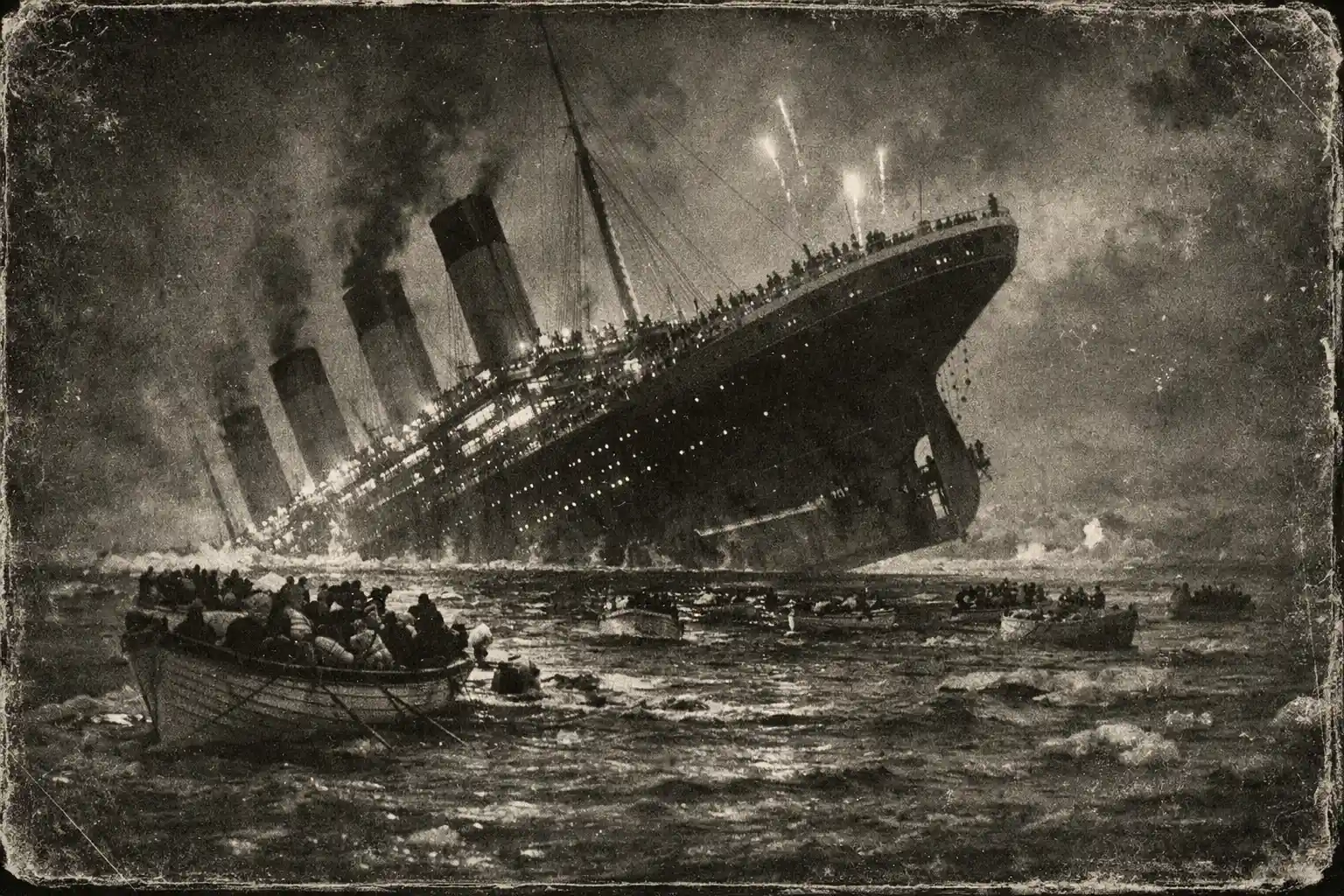
There are moments when a piece of news stops being just information and becomes something heavier. Something that lingers. Something that quietly unsettles the way you see the world.
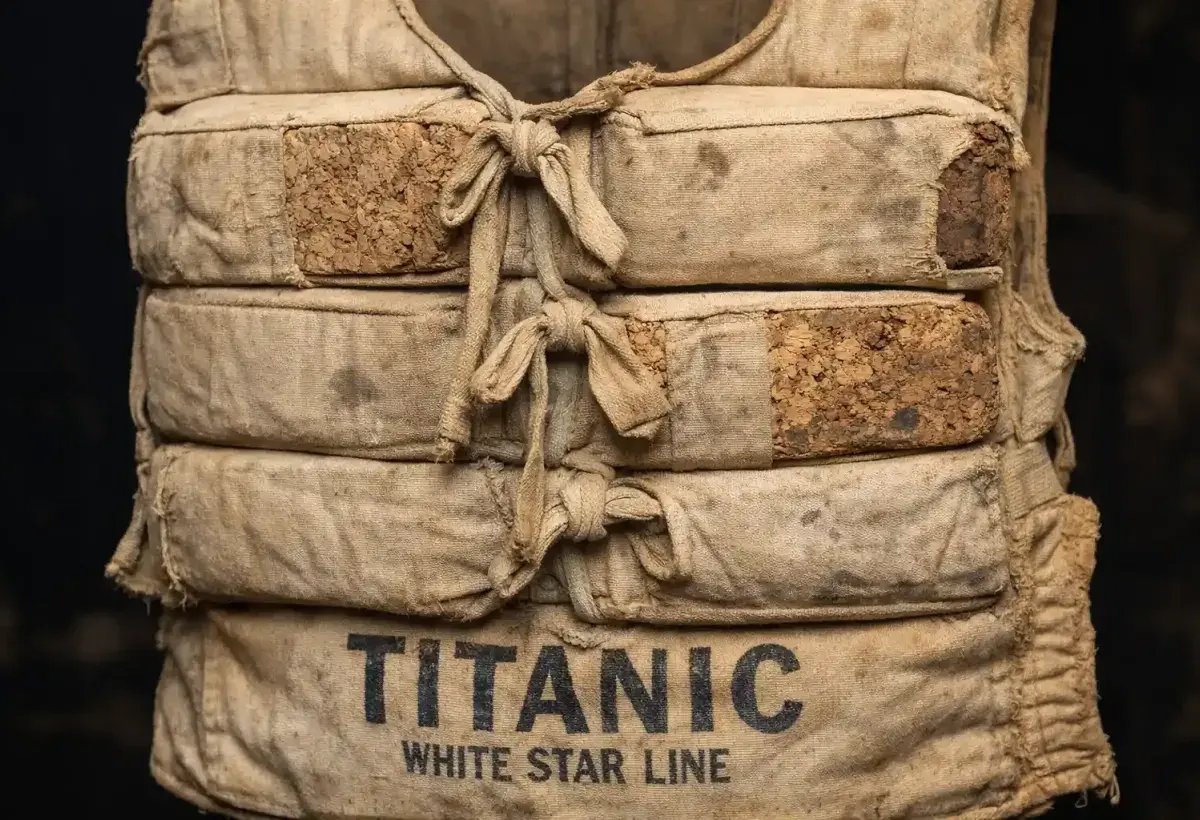
I recently read about a life jacket from the Titanic being sold at auction for over nine hundred thousand dollars. At first, it seemed like one of those stories that briefly catches attention and then fades away. Rare artifact. Historic significance. High price. Another headline in a world that constantly moves forward.
But this one stayed.
It stayed because beneath the surface of that transaction was something deeper. Something uncomfortable. Something that raises a simple but powerful question.
What exactly are we doing when we place a price on tragedy?
Image
The Titanic is not just a story from the past. It is not simply a historical event frozen in textbooks or documentaries. It is a moment where more than fifteen hundred people lost their lives in one of the most well known maritime disasters in history.
Behind every statistic is a person. A name. A family. A story that never had the chance to finish.
And yet, more than a century later, objects connected to that night are being bought and sold for extraordinary amounts of money.
A life jacket worn by a survivor becomes a prized possession. A seat cushion from a lifeboat becomes a collectible. A watch tied to one of the passengers becomes a record breaking purchase.
Each item carries a story. But it also carries something else.
Value.
Not emotional value. Not historical understanding.
Monetary value.
What makes this difficult to process is not just the act of selling these items. It is the meaning behind it.
A life jacket from the Titanic is not just fabric and cork. It represents a moment of fear, chaos, and survival. It represents a night when people faced impossible choices. When some lived and many did not.
And even within that tragedy, there were layers.
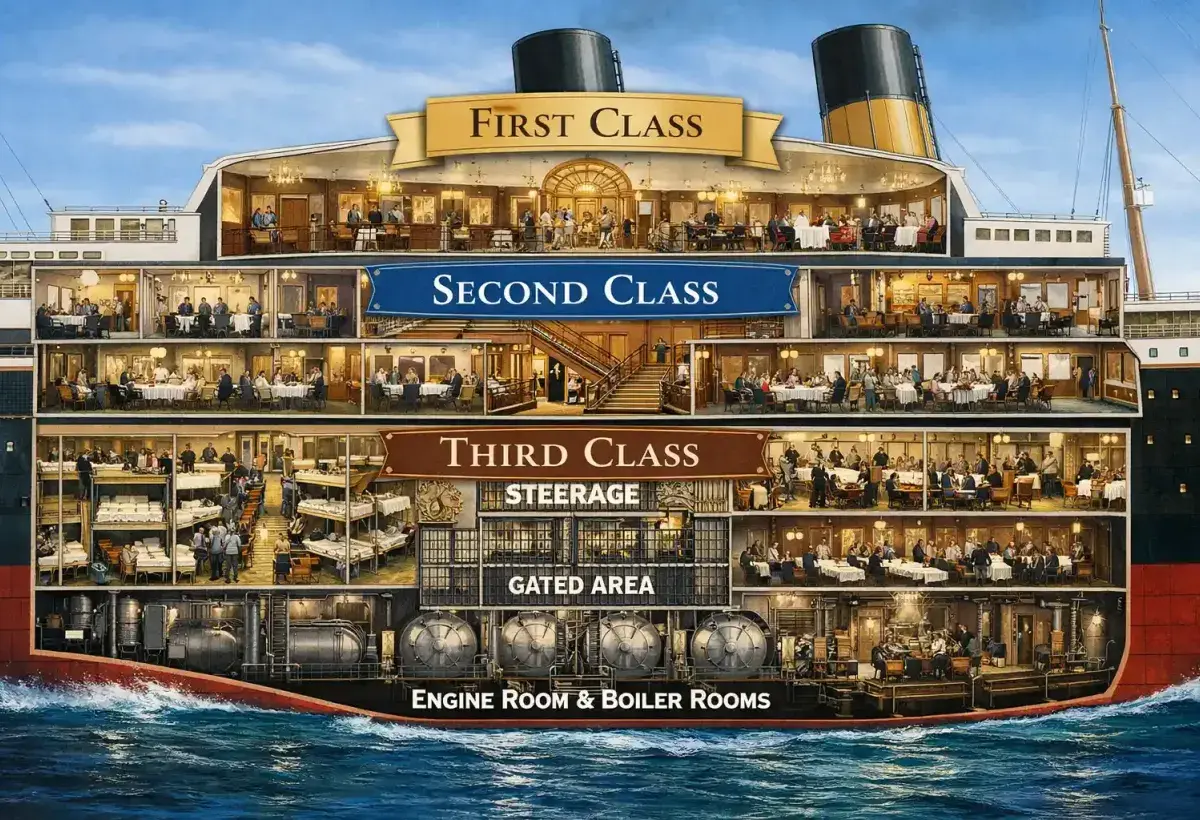
The Titanic was a reflection of society at the time. Class divisions were not just social concepts. They were physically built into the structure of the ship. First class passengers occupied the upper decks with easier access to lifeboats. Third class passengers were located deeper within the vessel, often separated by barriers that limited movement.
When disaster struck, those divisions mattered.
Some passengers were closer to safety. Others were not.
Some had options. Others had very few.
Image
It is impossible to talk about the Titanic without acknowledging this reality. Survival was not purely random. It was influenced by where you were, who you were, and what access you had.
And this is where the story of the auction becomes even more complex.
The life jacket that sold for such a high price belonged to a first class passenger who survived. It is tied to a story of escape. A story of being among the few who made it out alive.
Meanwhile, many of those who did not survive left behind nothing that could ever be auctioned. No artifacts preserved. No items to display. No objects that could later be assigned a monetary value.
Their stories exist in records and memories, not in collectibles.
So when someone pays nearly a million dollars for a life jacket, what exactly are they buying?
Are they buying history?
Are they buying connection?
Or are they buying proximity to a moment that was never meant to be owned?
There is an argument often made in defense of these auctions. Some say that preserving artifacts keeps history alive. That collectors play a role in maintaining objects that might otherwise be lost.
There is truth in that.
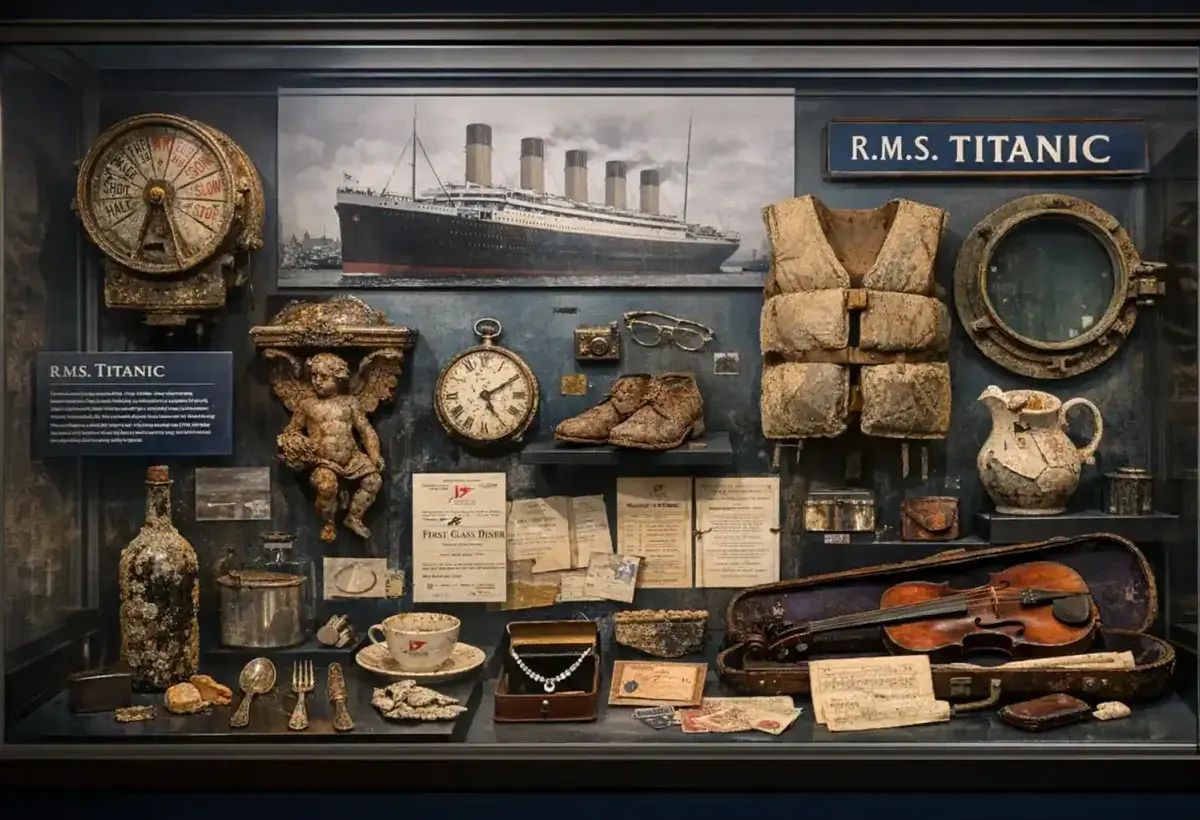
Museums around the world display items from the Titanic. These spaces are designed to educate, to inform, and to create a respectful environment where people can learn about the past.
But private ownership is different.
When an object moves from a museum into a private collection, its purpose changes. It is no longer primarily about shared understanding. It becomes something personal. Something exclusive.
Something owned.
And that shift raises questions.
Image
There is a line between remembrance and possession.
Remembrance is collective. It invites reflection. It encourages people to engage with history in a meaningful way.
Possession, on the other hand, is individual. It is about having something that others do not. It is about exclusivity. It is about ownership.
When it comes to objects tied to tragedy, that line becomes even more significant.
Because what is being owned is not just an item.
It is a fragment of a moment where real people suffered and died.
To understand why this feels unsettling, it helps to imagine a similar situation in a more recent context.
Think about modern tragedies. Events that are still fresh in public memory. Events where the emotional connection is immediate and personal.
Now imagine objects from those events being auctioned for large sums of money. Pieces tied directly to loss and suffering being displayed in private collections.
For many people, that idea feels wrong.
It feels like something that crosses an invisible boundary.
So why does time change that perception?
One possible answer is distance.
As years pass, events move from lived experience into history. The emotional intensity fades for those who were not directly connected. What was once immediate becomes abstract.
The Titanic sank in 1912. No one alive today experienced it firsthand. For many, it exists as a story rather than a memory.
And stories, over time, can be reshaped.
They can become romanticized. They can be turned into films, books, and cultural symbols. They can shift from tragedy into fascination.
But at its core, the reality does not change.
People lost their lives.
Families were torn apart.
A disaster unfolded in the middle of the ocean, far from help, in freezing darkness.
Image
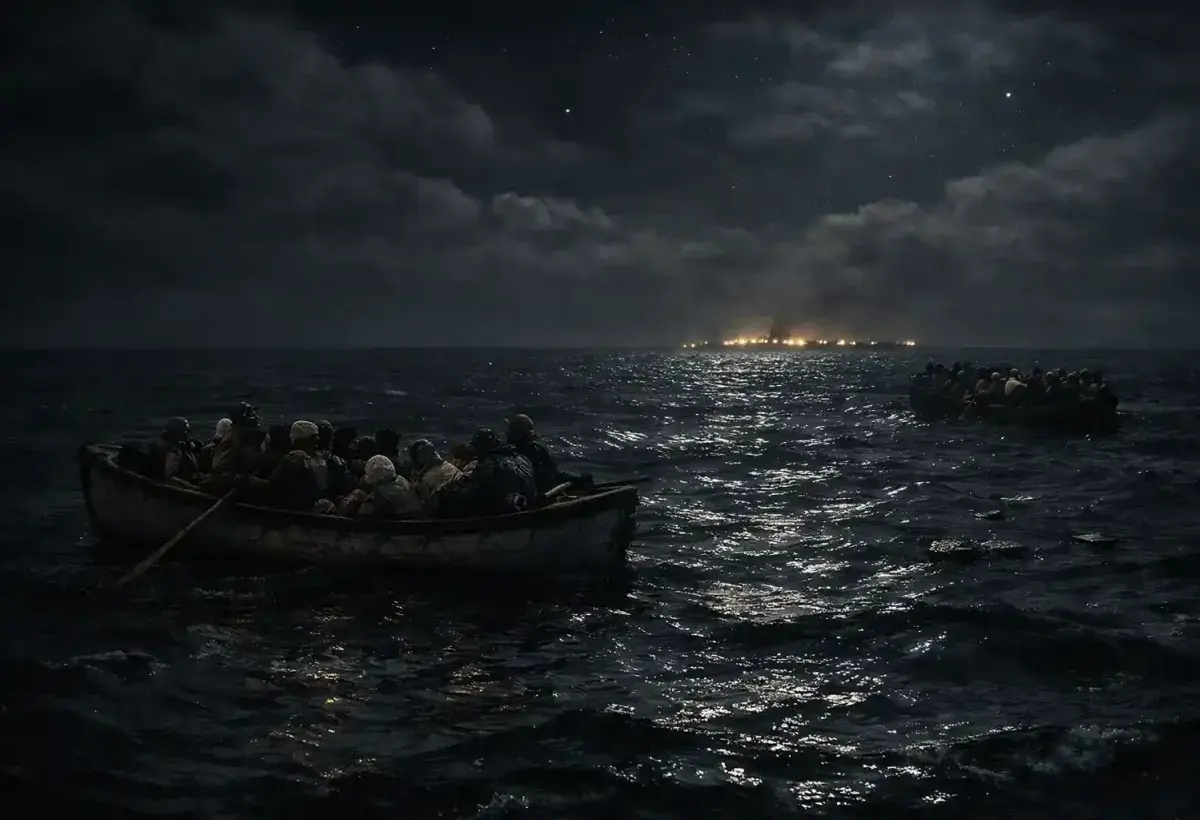
There is also the question of why people are drawn to owning these objects in the first place.
Part of it may be a desire to connect with history in a tangible way. Holding an object that was present during a significant event can feel like bridging the gap between past and present.
It makes history feel real.
But there is another layer that cannot be ignored.
Status.
Owning a rare and expensive artifact can be a symbol of wealth and exclusivity. It can signal that you have access to something that very few others can obtain.
When that artifact is tied to a well known event like the Titanic, the status is amplified.
It becomes not just a rare object, but a conversation piece. A symbol of both history and financial power.
And that combination can be compelling.
But this is where the discomfort returns.
Because when status and tragedy intersect, something feels off.
The idea that a moment of human suffering can become part of a display of wealth raises deeper questions about values.
What do we choose to honor?
What do we choose to buy?
And what does that say about us?
There is also a subtle shift that happens when tragedy becomes collectible.
The focus moves.
Instead of centering on the people and their stories, attention shifts to the objects themselves. The life jacket. The watch. The artifacts.
These items become the headline.
The human experiences behind them become secondary.
And over time, there is a risk that the meaning gets diluted.
Image
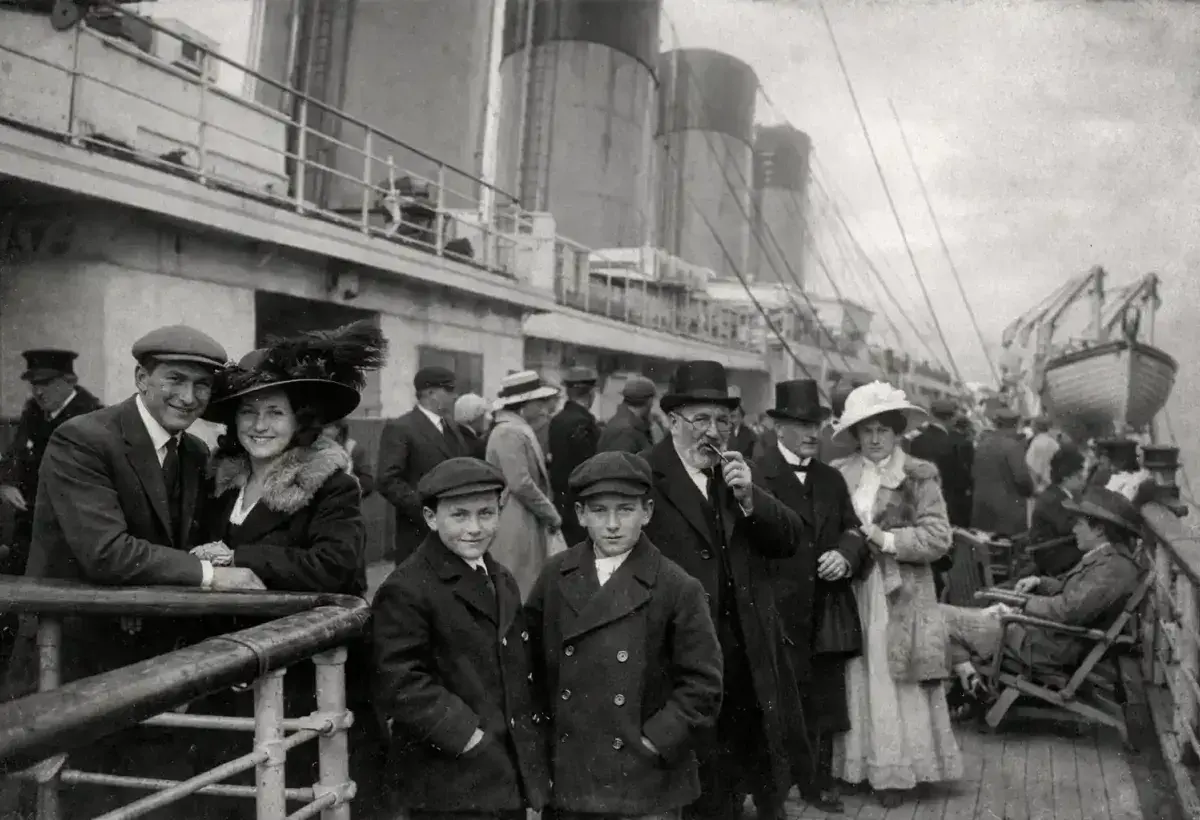
It is important to acknowledge that not all collectors approach these items in the same way. Some are deeply respectful. Some work to preserve history and share it with others.
But the system itself still places a price on these objects.
And once a price exists, the dynamic changes.
Because now the artifact is not just historical.
It is also an asset.
Something that can increase in value. Something that can be resold. Something that can be part of a market.
And that introduces a different kind of motivation.
So where does that leave us?
It leaves us in a space where history, memory, and commerce intersect.
A space where the past is not only remembered, but also traded.
A space where objects tied to real human experiences can be bought and sold like any other commodity.
And that is not an easy space to navigate.
Perhaps the most important question is not whether these auctions should exist, but how we respond to them.
Do we see them as harmless transactions involving historical objects?
Or do we pause and consider the deeper implications?
Do we ask what it means to assign a price to something connected to loss?
Do we reflect on the difference between preserving history and profiting from it?
The story of the Titanic continues to capture attention more than a century later. It is studied, discussed, and remembered across generations.
It holds lessons about human behavior, about inequality, about the consequences of overconfidence.
It reminds us of how fragile life can be.
Those lessons are valuable.
They do not need a price tag.
When we look at an artifact from the Titanic, perhaps the most meaningful response is not to ask how much it is worth, but to ask what it represents.
Who were the people connected to it?
What did they experience?
What can we learn from their stories?
Because in the end, history is not made of objects.
It is made of people.
And maybe that is where the focus should remain.
Not on ownership.
Not on auctions.
But on remembrance.
On understanding.
On making sure that the stories behind these objects are never reduced to numbers on a bidding sheet.
Because some things should not be measured by how much someone is willing to pay.
Some things should be remembered for what they truly are.
A reflection of humanity at its most vulnerable.
And a reminder of what should never be forgotten.
Source: CBS News report on the auction of a Titanic survivor’s life jacket
https://www.cbsnews.com/news/titanic-life-jacket-passenger-auctioned-900000/