When I was a kid, I believed that money was a necessary evil but not a real source of power in society. Teachers said it. Parents whispered it after paying bills. Cartoons and after school specials repeated it until it felt like truth. Money cannot buy happiness. Money does not make you a good person. And most of all, money does not equal power.
Power was supposed to come from character. From kindness. From being smart or funny or brave.
I remember nodding along, feeling relieved. What a fair world we lived in. The rich kid with the new video game console was not more powerful than me. He was just luckier.
That belief lasted for a while.
It expired somewhere between my first unpaid internship and watching an influencer with no clear talent buy their way into every conversation that mattered.
The uncomfortable truth did not arrive all at once. It showed up in small, easy to ignore moments.
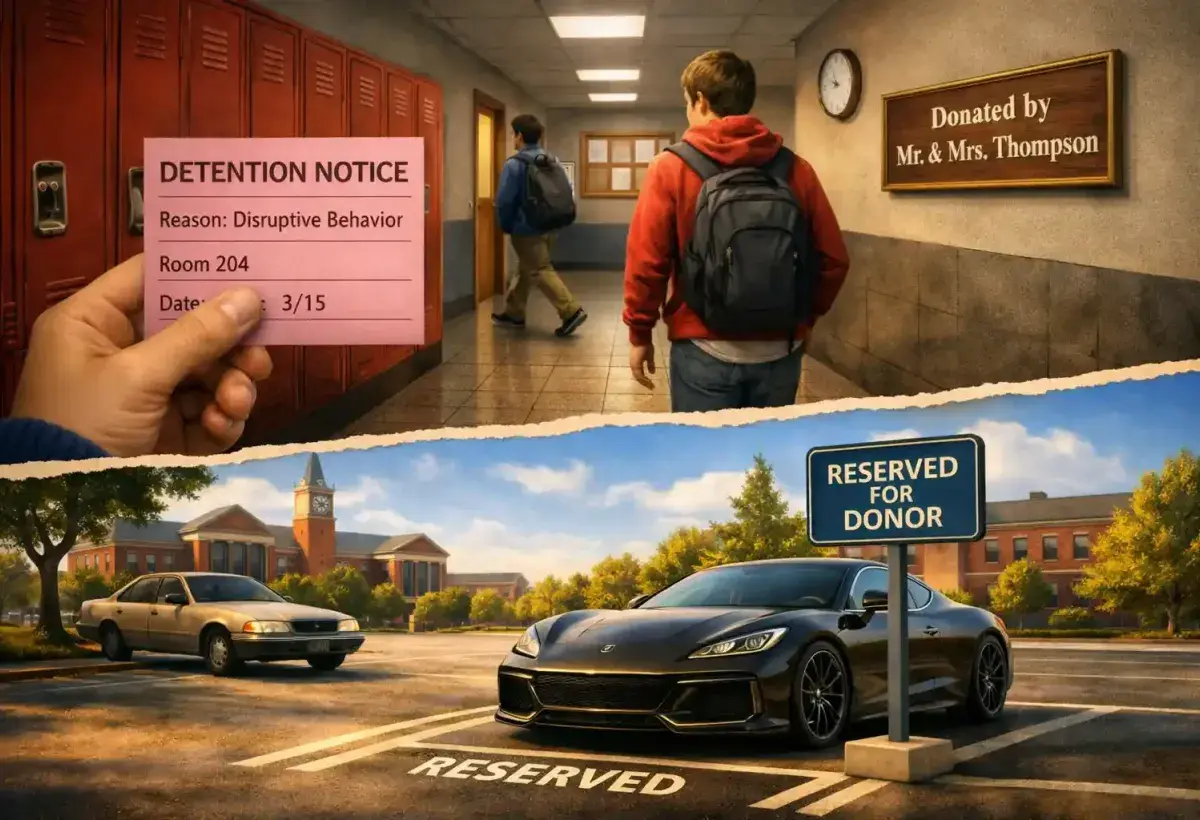
In high school, the student whose family donated generously to the sports program managed to skip detention. Not because he was charming. Because his last name was on a plaque near the principal’s office.
In college, the quiet student who worked two jobs and drove an old sedan was told to be patient about financial aid delays. Meanwhile, the student who arrived in a luxury car somehow had a parking spot waiting near the dorms.
No one called it power.
Everyone called it privilege.
But privilege, when you look closely, is just power wearing a polite mask.
Image
By my mid twenties, I had stopped pretending.
Money does not just buy things. It buys leverage.
It buys patience from landlords. It buys faster responses from customer service. It buys the ability to walk away from situations that would otherwise trap you.
That last one was the clearest lesson.
I watched a friend leave a job that was draining her mentally. She had savings. Enough to cover months of expenses. She rested, reset, and found something better.
Another friend in the same workplace could not leave. No savings. No safety net. No buffer. He stayed. His stress grew. His health declined.
The difference was not talent. It was not effort.
It was money.
We tend to soften this reality with nicer words like stability or freedom. But freedom is just power turned inward.
The ability to say no.
The ability to wait.
The ability to recover without collapsing.
Those are not small advantages. They are life defining.
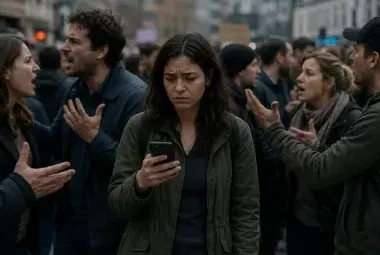
Now look at social media, where the gap between belief and reality becomes almost impossible to ignore.
We were told that anyone could have a voice. And technically, that is still true.
But visibility is not evenly distributed.
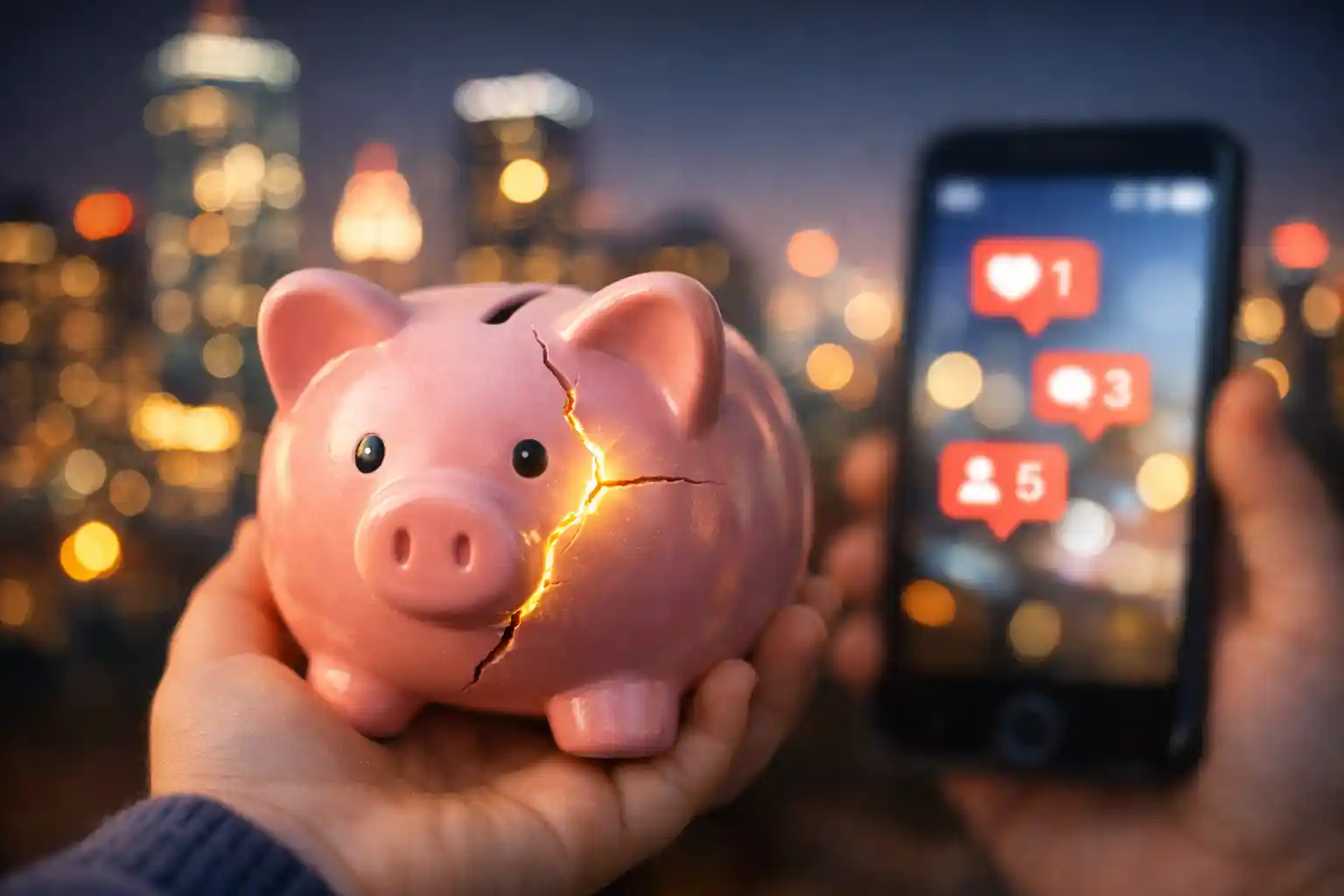
A teenager with access to resources can afford better equipment, better editing, and paid promotion. They can boost posts, grow followers, and create the appearance of influence.
And in a digital world, appearance often becomes reality.
Image
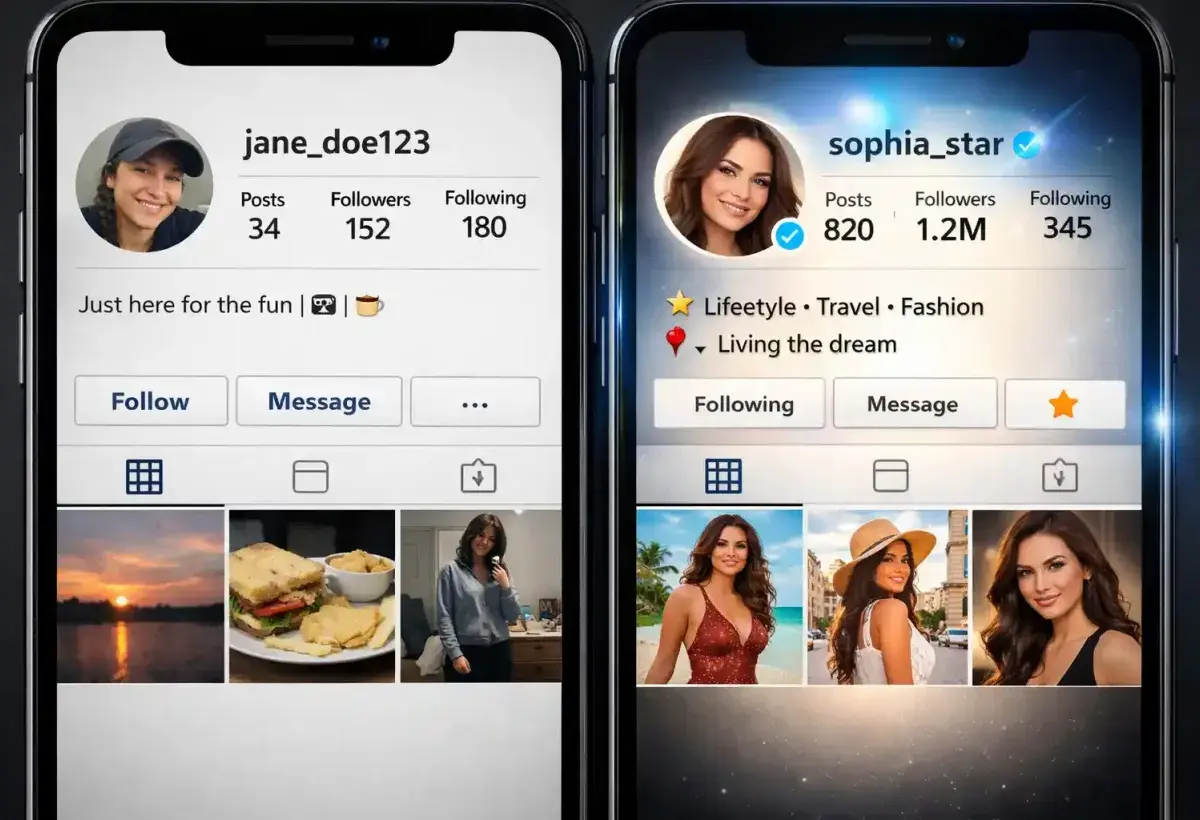
The audience may suspect what is happening. But the algorithm does not question intent. It measures engagement.
And engagement can be bought.
So the content backed by money spreads further. It appears more often. It becomes familiar. And familiarity builds trust, whether it is earned or not.
Meanwhile, the person with better ideas but fewer resources remains unseen.
Power does not always reward the best.
It rewards the most visible.
Politics makes this dynamic even clearer.
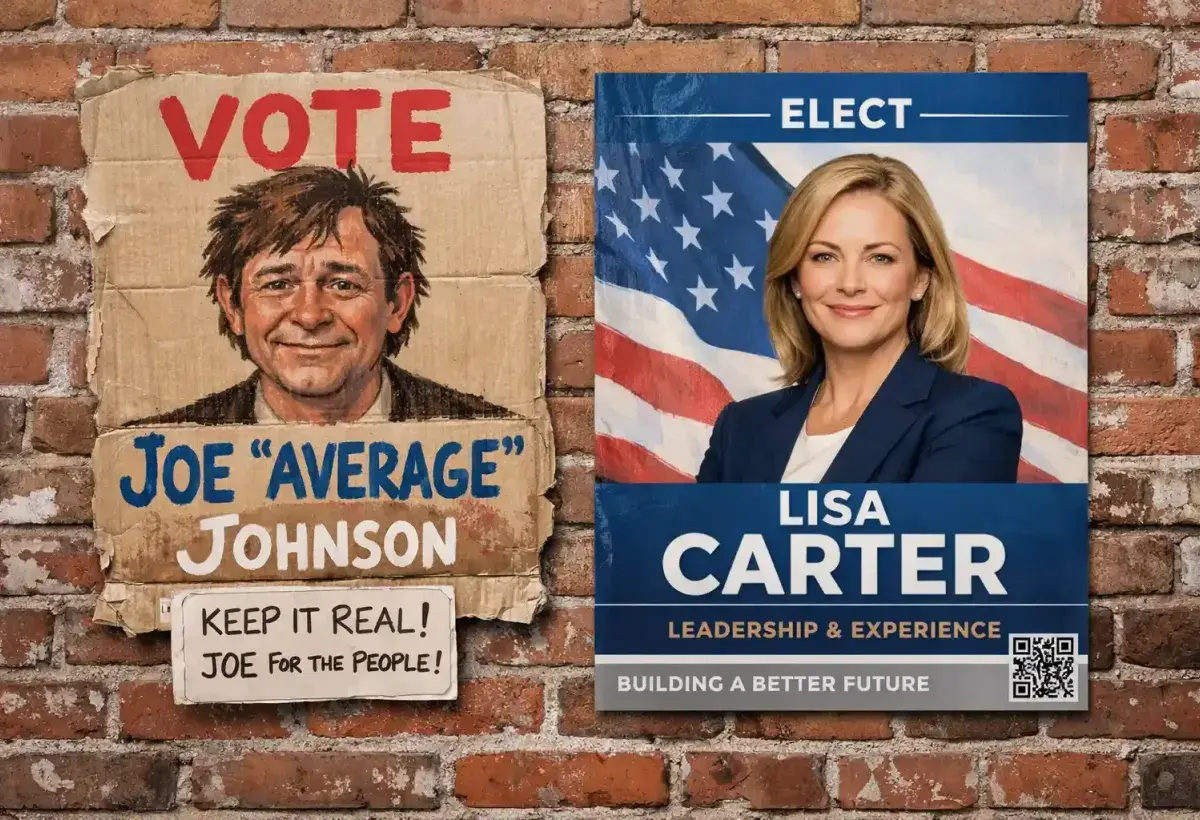
Every election cycle reveals the same pattern. One candidate struggles to be heard, relying on momentum and word of mouth. Another floods every channel with messaging, backed by funding and infrastructure.
They do not need to be more convincing.
They just need to be everywhere.
Image
This is not always about corruption. It is often about structure.
Systems built around communication, influence, and scale tend to favor those who can invest in them.
Money increases reach. Reach shapes perception. Perception influences decisions.
Over time, the cycle reinforces itself.
At this point, the phrase money does not equal power starts to feel incomplete.
Money does not guarantee wisdom.
It does not guarantee respect.
It does not guarantee meaning.
But it does increase influence.
It reduces friction.
It expands options.
It accelerates outcomes.
And in many situations, that is enough.
Still, it would be too simple to say money is everything.
There are people who build influence through creativity, persistence, and skill. There are ideas that spread because they resonate deeply, not because they are funded.
Money can amplify power, but it is not the only source of it.
What money does best is scale what already exists.
There is also a psychological layer to all of this.
When people begin to associate money with control, they start chasing it differently. Not just for comfort, but for autonomy. For recognition. For the ability to shape their environment instead of reacting to it.
In a digital world where success is constantly displayed, this pressure grows stronger.
Image

You see curated versions of success. Freedom. Influence. Control.
Whether those images are fully real or not, they create a narrative.
And that narrative reinforces the same idea again and again.
Money becomes power.
But here is the part that often gets lost.
Money can shape external conditions.
It can open doors, create opportunities, and expand reach.
But it does not automatically create direction.
I remember a conversation that made this clear.
I was sitting in a coffee shop with a friend who had just received enough financial support to take a year off work. She decided to study coding full time.
I was working and studying at the same time, trying to make progress in small fragments late at night.
She finished faster. She transitioned into a better career. Her life changed direction.
The difference was not potential.
It was time.
And time, in that moment, was something money had purchased.
Does this mean people without money have no power at all?
No.
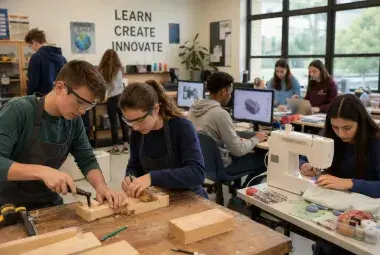
Collective action matters. Creativity matters. Persistence matters. Communities create strength in ways money alone cannot.
But those forms of power require effort, coordination, and time.
Money compresses all of that.
It acts as a shortcut.
It turns possibility into immediacy.
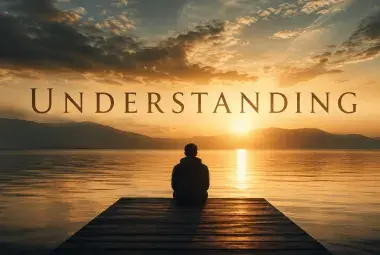
Understanding this is not about becoming cynical.
It is about becoming clear.
When we pretend money does not equal power, we misunderstand the systems we live in. And when we misunderstand the system, we struggle to change it.
Recognizing the role of money does not mean accepting it blindly. It means seeing it accurately.
Because the real question is not whether money gives power.
It does.
The real question is what kind of power you want to hold.
Power over others
Or power over your own direction
Power that accumulates
Or power that creates
The child who believed that money did not equal power was not wrong to want that world.
They just had not seen enough yet.
I still want that world too.
The difference is I no longer pretend we already live in it.
And that small shift, that willingness to see things as they are, changes everything.
Because once you understand where power actually comes from, you can finally decide what to do with it.