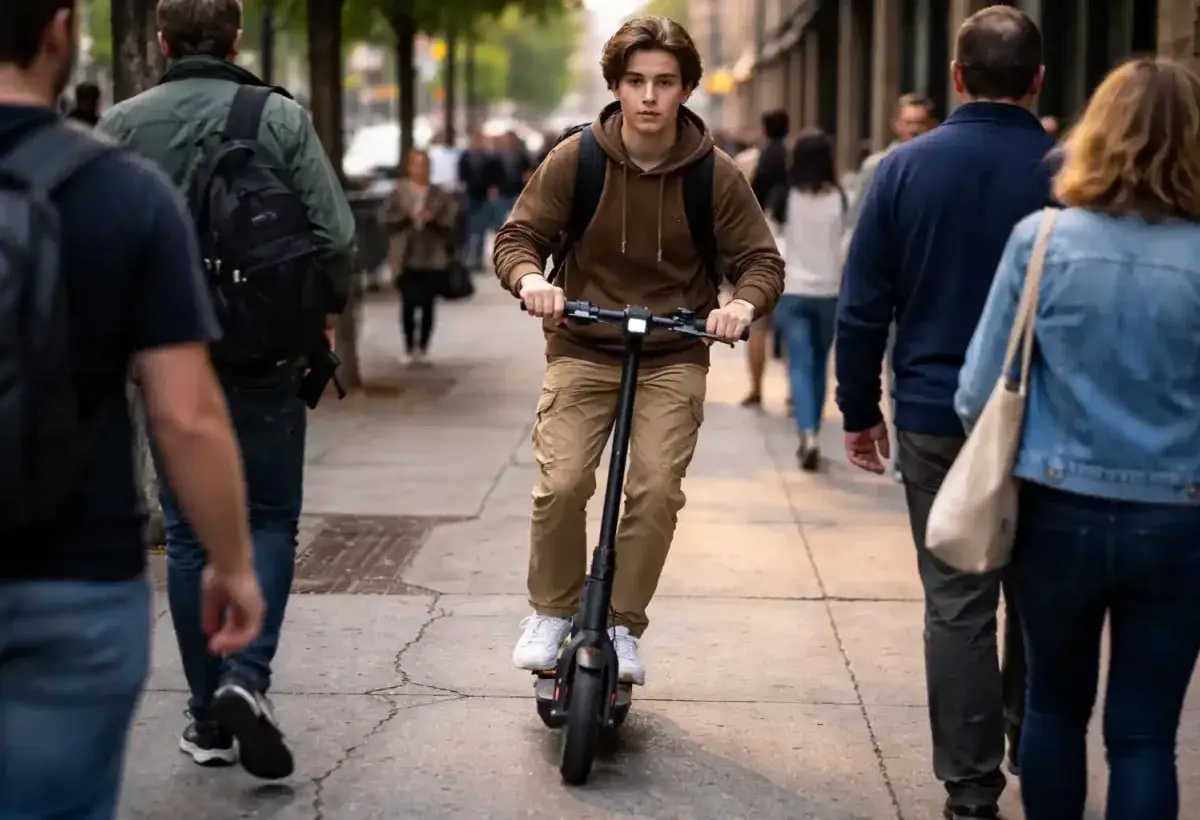
It happens in a flash. An older man steps onto a sidewalk outside a café, focused on the morning paper in his hands. He does not check behind him because sidewalks have always been places where people can move without fear of fast traffic. But suddenly, a forty five pound electric scooter traveling at more than twenty miles per hour strikes him. The rider, a teenager who had received the scooter as a gift only weeks before, is thrown forward. The man suffers a broken hip. The rider is left concussed. In the aftermath, one question lingers. How did a pedestrian space become the setting for a high speed collision?
Situations like this are no longer rare. From dense urban centers to suburban neighborhoods across continents, emergency departments are seeing a steady rise in injuries involving electric scooters and bikes. The issue is not rooted in recklessness or poor parenting. Instead, it reflects a deeper mismatch. Public spaces designed for walking are now being shared with machines capable of much higher speeds. While personal mobility technology has advanced rapidly, the rules, infrastructure, and expectations surrounding it have struggled to keep up.
Image
The Quiet Shift in Urban Movement
For generations, children’s mobility was naturally limited. Riding a bicycle or skateboard required effort, and speed was tied directly to physical exertion. This created a built in safety mechanism. Faster movement required more work, and most activity stayed within a predictable range. On sidewalks, a child on a bike rarely posed more risk than someone jogging.
Electric propulsion has fundamentally changed that balance.
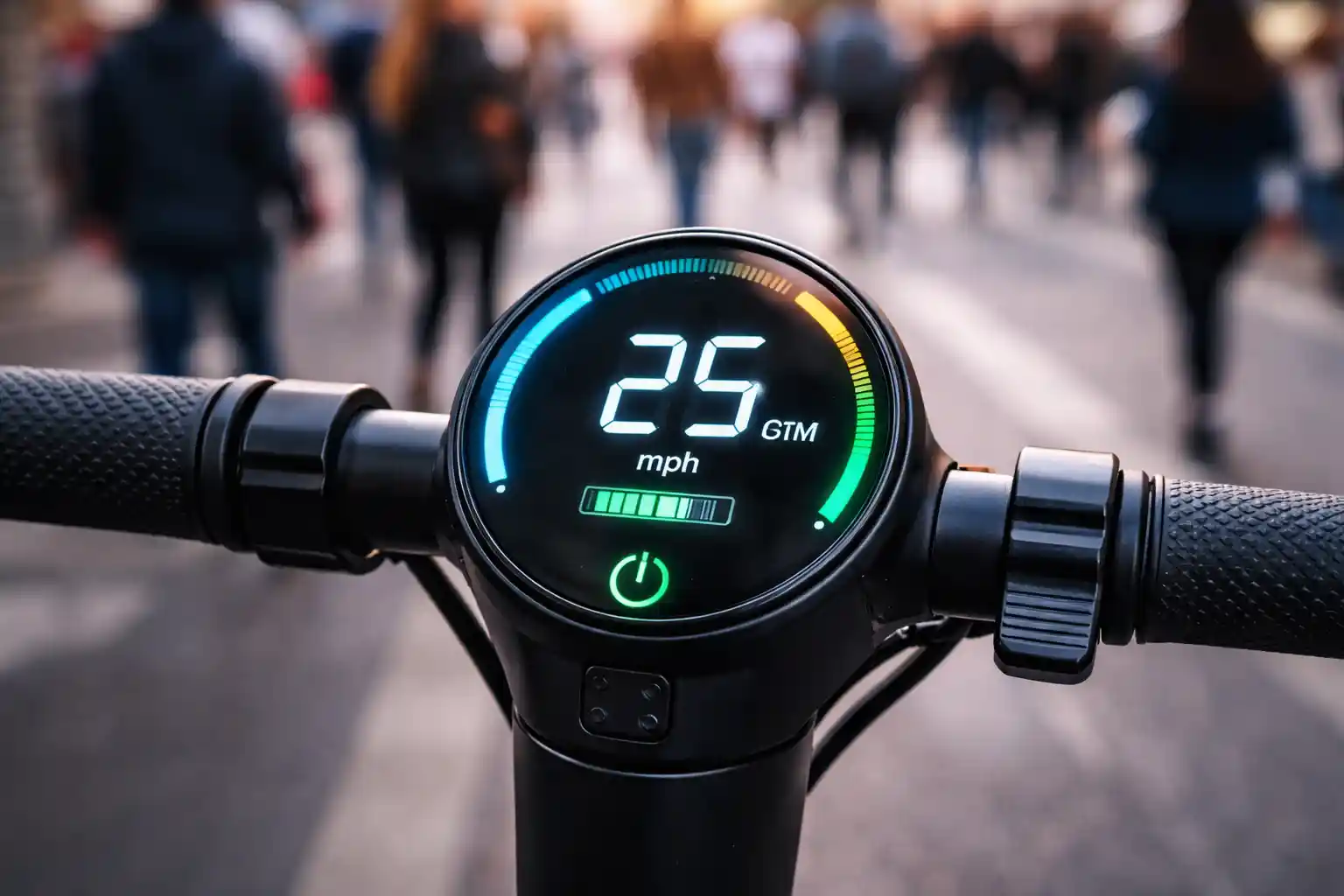
Modern e scooters and e bikes often weigh between forty and seventy pounds and can reach speeds exceeding twenty miles per hour with minimal effort. Acceleration is immediate, and operation is nearly silent. Without engine noise or clear warning signals, these devices can approach quickly and unexpectedly.
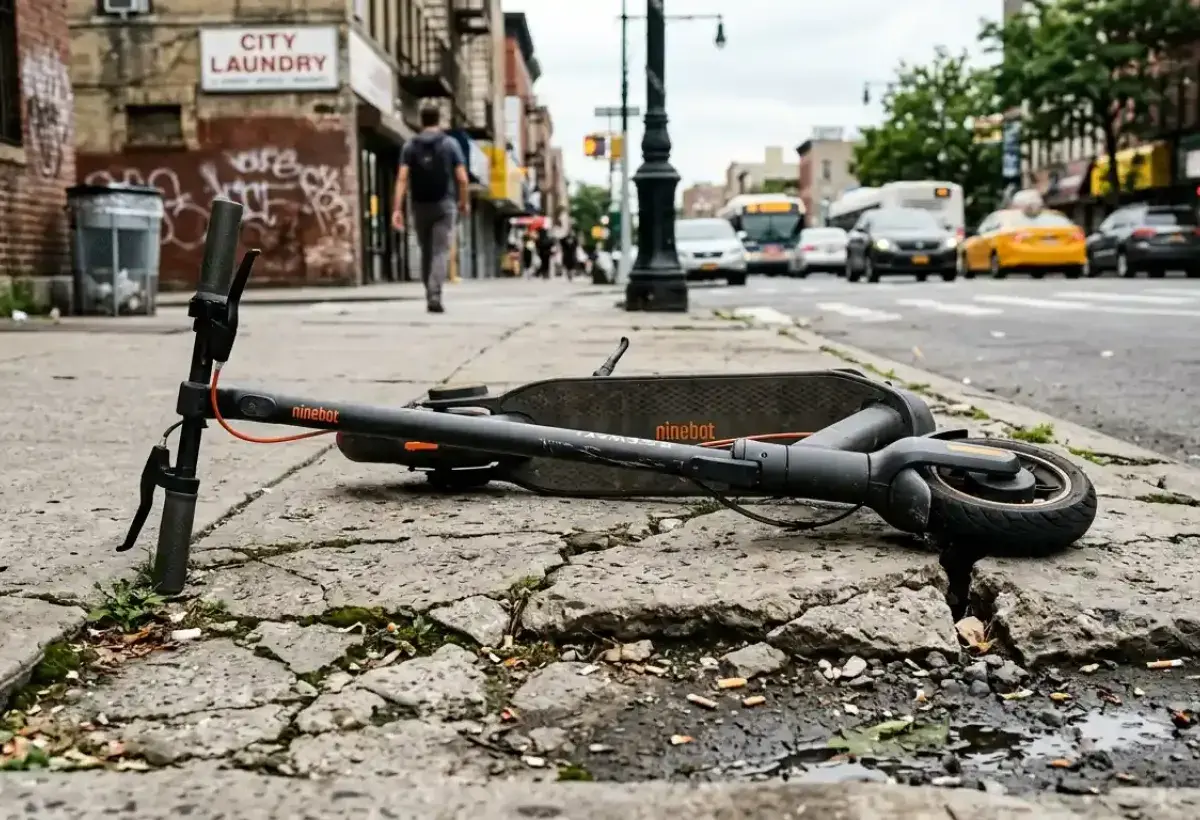
Pedestrians depend on subtle cues such as footsteps, mechanical sounds, or peripheral motion to remain aware of their surroundings. Electric mobility devices remove many of these signals. A person stepping out from a shop entrance or guiding a child across a path may have no indication that something fast is approaching from behind.
The consequences are shaped by basic physics. At higher speeds, the force of impact increases dramatically, and stopping distances become longer. Sidewalks, often narrow and crowded, were never intended to accommodate such dynamics. Even attentive riders may find they cannot stop in time when space is limited.
Young Riders in an Unclear System
A significant part of this global shift involves young users. Teenagers and in many cases younger children are operating devices capable of substantial speed without formal training or a clear understanding of traffic behavior.
In the past, road awareness developed gradually. Children learned to yield, slow down near crossings, and respect shared space through experience and guidance. These unwritten rules were widely understood and reinforced within communities.
Today, those shared expectations are less consistent.
Many young riders choose sidewalks because roads feel unsafe. They weave through pedestrians, seeing it as the lesser of two risks. At the same time, these devices are often perceived as recreational rather than vehicular, even though their performance suggests otherwise. Traffic signs, right of way rules, and safe stopping practices are frequently misunderstood or overlooked.
Parents face their own uncertainty. Devices purchased online or in stores are typically marketed for convenience and enjoyment, with little emphasis on legal responsibilities or safety requirements. Information about where these devices can be used, whether helmets are required, or what liabilities may arise is often unclear or absent.
Image
A Global Patchwork of Responses
Governments around the world are beginning to respond, but approaches vary widely. This has created a fragmented regulatory landscape that can be confusing for users, especially in regions where people frequently cross city or national boundaries.
Some jurisdictions treat low speed electric scooters similarly to bicycles, allowing use with minimal restrictions but imposing helmet requirements or age limits. Others require riders to meet minimum age thresholds and prohibit sidewalk use entirely. In certain places, licensing or permits are required, introducing a level of accountability typically associated with motor vehicles.
A few regions have gone further by classifying certain high powered devices as motorized vehicles. This brings requirements such as registration, insurance, and formal licensing. Meanwhile, some cities are experimenting with visible identifiers like stickers or plates to improve accountability without fully equating scooters with cars.
The result is a patchwork of rules that often lack consistency, making it difficult for riders to understand what is permitted and for authorities to enforce regulations effectively.
Image
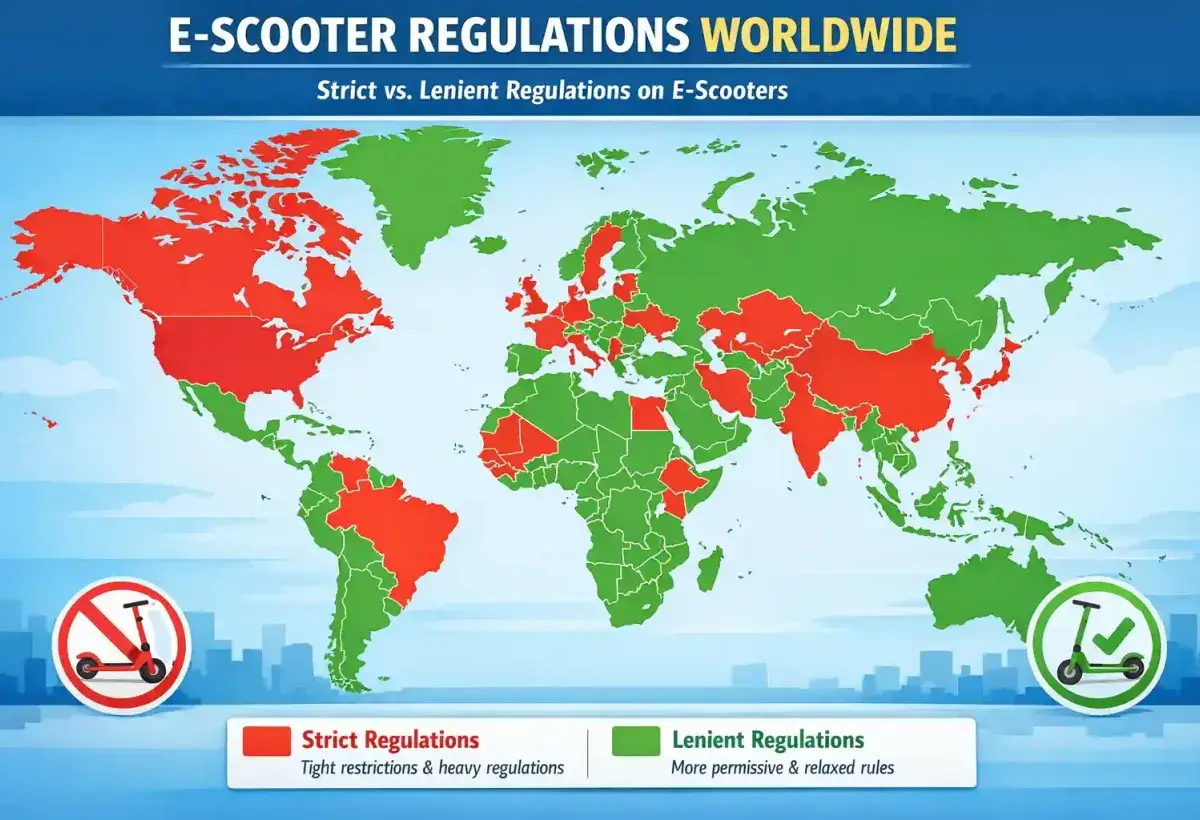
Note: This map is a general representation only. E-scooter regulations differ widely within countries and may vary at the city or regional level. Classifications of “strict” and “lenient” are simplified and may not reflect all legal nuances. Regulations are subject to change.
The Push for Accountability
Supporters of stronger regulation argue that the current system leaves too many gaps. When traditional vehicles are involved in accidents, there are established ways to identify those responsible and to ensure that damages are covered. For many electric mobility devices, these systems are limited or nonexistent.
If a rider causes injury and leaves the scene, identifying them can be extremely difficult. Victims may be left with medical expenses and no clear path to compensation. Registration systems or visible identification could help bridge this gap by linking devices to owners.
Insurance requirements are also part of the discussion. They could ensure that costs associated with injuries or property damage are not borne solely by victims. Licensing, even at a basic level, could help ensure that riders understand how to operate these devices safely within shared spaces.
As these machines become more powerful, the argument follows that they should be treated less like toys and more like vehicles.
Balancing Safety and Accessibility
At the same time, critics of stricter rules caution against overregulation. Electric scooters and bikes have become popular because they offer affordable, flexible transportation. In many cities, they provide a practical alternative to cars, especially for short distances.
Requiring licenses, insurance, or registration could create barriers, particularly for lower income users or those without access to traditional transport systems. There are also concerns about enforcement capacity and whether new rules would disproportionately affect responsible riders rather than those who behave unsafely.
Some argue that policies should focus on behavior such as speeding in pedestrian areas or reckless riding rather than imposing broad requirements on all users. Others emphasize the importance of improving infrastructure instead of relying only on regulation.
Where the Line Is Drawn
A central challenge is defining when a device transitions from a simple mobility aid to a regulated vehicle. Many guidelines use thresholds based on motor power and maximum speed, but these distinctions are not always easy to enforce.
Devices can often be modified to exceed their original specifications, which blurs the line between compliant and non compliant use. Age restrictions, while important for safety, can also be difficult to monitor consistently. Even where sidewalk bans exist, enforcement is often uneven.
These complexities highlight the difficulty of creating rules that are both effective and practical in real world conditions.
Learning from International Practices
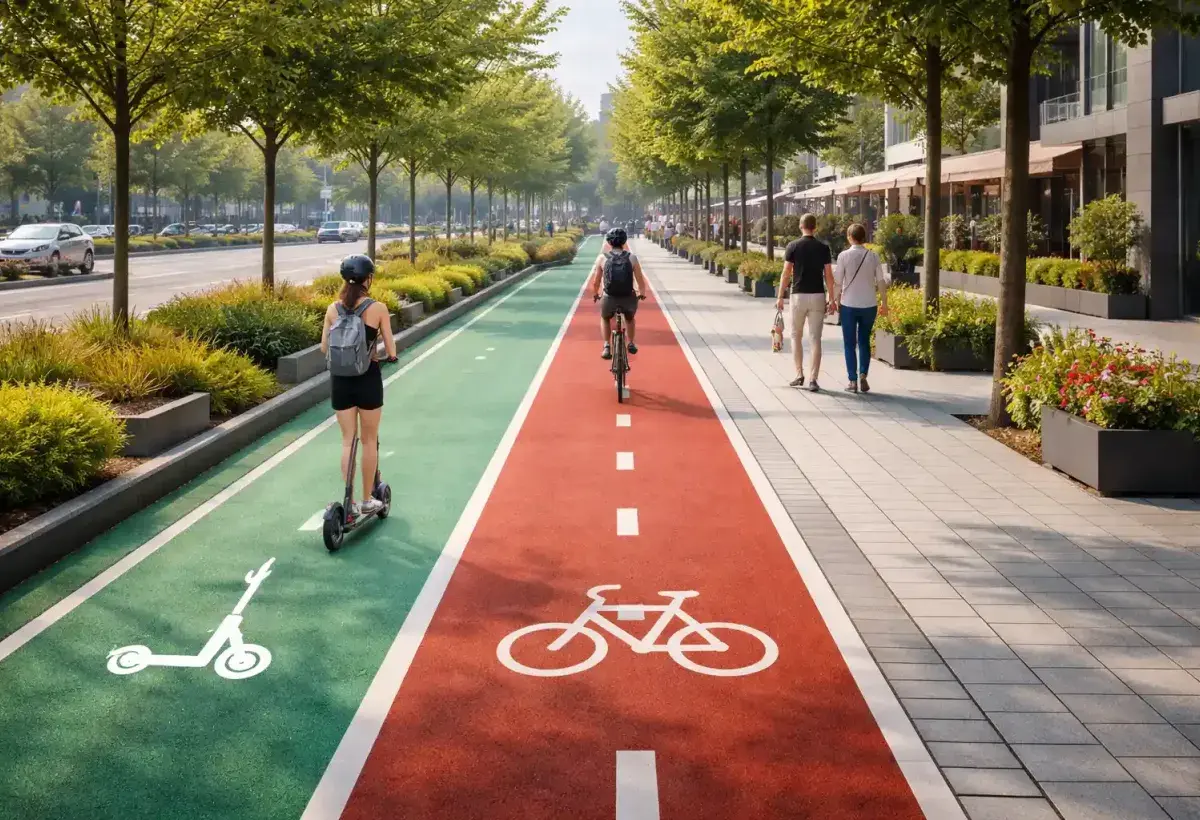
Different countries offer valuable insights into potential solutions. Some require visible insurance markers, making compliance easy to verify. Others impose strict speed limits for unlicensed devices while allowing greater freedom for lower speed models. In many places, the most effective strategy has been investment in dedicated infrastructure.
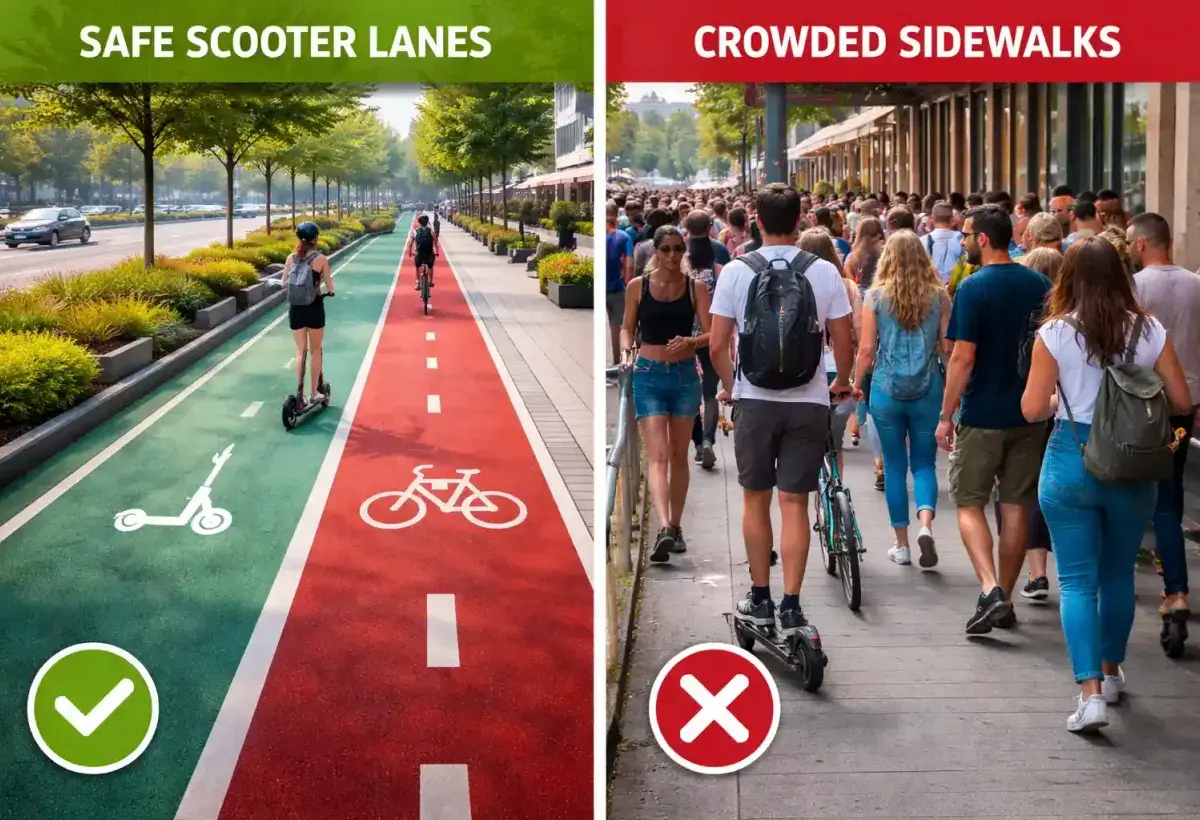
Separating pedestrians from faster moving devices through bike lanes, protected paths, and designated parking areas reduces conflict and improves safety for everyone. These approaches demonstrate that regulation alone is not enough. The design of public spaces plays a critical role.
Image
A Path Forward
A balanced approach is likely to combine several strategies. Setting reasonable minimum age limits can address concerns about judgment and experience. Basic education on traffic awareness can help young riders understand how to share space responsibly. Visible identification systems may improve accountability without imposing excessive administrative burdens.
Equally important is consistent enforcement of rules that protect pedestrian spaces, alongside investments in infrastructure that provide safe alternatives to sidewalks. Focusing on high risk behavior and higher powered devices may also help target the areas of greatest concern.
The teenager in the opening scenario did not intend to cause harm. The device he used was marketed as convenient and enjoyable, and he operated it without fully understanding its risks. His parents likely did not have complete information either. Yet the outcome was life altering for everyone involved.
The injured pedestrian faced a long recovery and significant costs. The rider and his family were left dealing with legal and emotional consequences. Incidents like this illustrate how quickly small gaps in awareness and regulation can lead to serious outcomes.
The question is no longer whether change is needed. It is how to shape that change thoughtfully. Protecting pedestrians while preserving the benefits of modern mobility requires careful balance. The decisions made today will influence how cities function tomorrow and whether sidewalks remain places of safety or become corridors of uncertainty.
Image