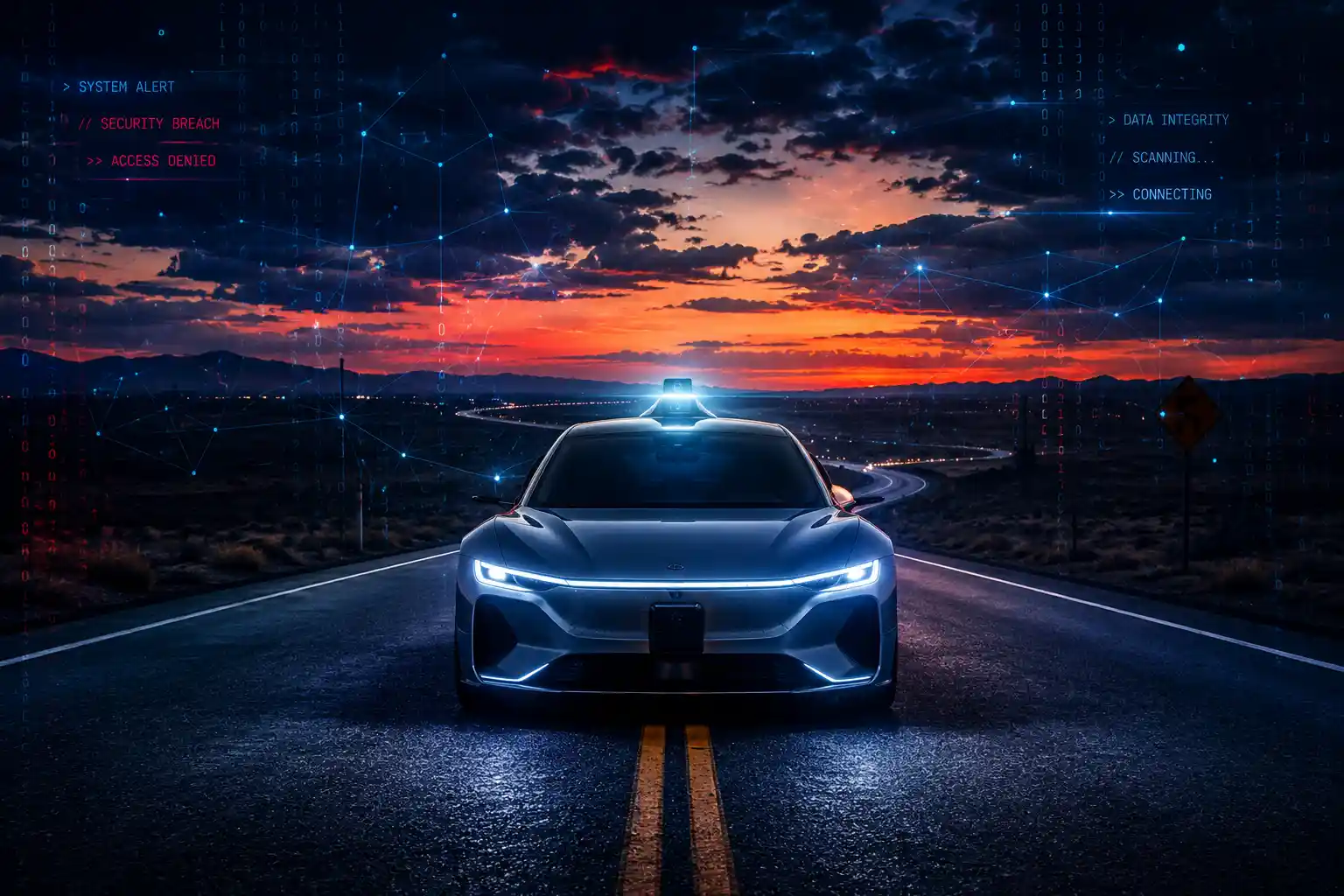
Technology has always fascinated me. Every generation witnesses something that would have seemed impossible to the one before it. Today, we carry powerful computers in our pockets, ask artificial intelligence to answer questions in seconds, and speak to devices that can control our homes with a simple voice command. What once belonged to science fiction has quietly become part of everyday life.
Self driving cars are perhaps the next great leap.
The idea is remarkable. A vehicle that can recognize traffic signs, avoid obstacles, stay within its lane, and safely carry passengers without constant human input sounds like something many of us dreamed about as children. If the technology fulfills its promise, it could reduce accidents caused by fatigue or distraction, give elderly and disabled people greater independence, and make travel safer and more efficient.
There is a great deal to admire about that vision.
Yet whenever I hear people talk about autonomous vehicles, I notice that one question rarely comes up.
Who is responsible for protecting the systems that control them?
It is not a question born out of fear. It is simply one that has stayed with me for years, shaped by experiences that taught me to look at technology from a different angle.
Years ago, I worked in the business of manufacturing surveillance and counter surveillance products for government agencies. That experience changed the way I think about technology. Most people naturally focus on what technology can do. Working in that field taught me to ask something different.
What could it do if someone managed to misuse it?
That shift in perspective has never really left me.
One lesson became clear very early. The greatest strength of any sophisticated system is rarely the hardware itself. It is the security behind it. Encryption, authentication, access controls, and software architecture determine who can interact with the system and under what conditions.
In other words, control often belongs to whoever holds the digital keys.
That does not mean technology should be feared. Quite the opposite. Some of humanity's greatest achievements exist because people dared to innovate. But every important innovation also carries responsibility. The more powerful a system becomes, the more carefully it needs to be protected.
That thought often returns whenever I think about autonomous vehicles.
Image
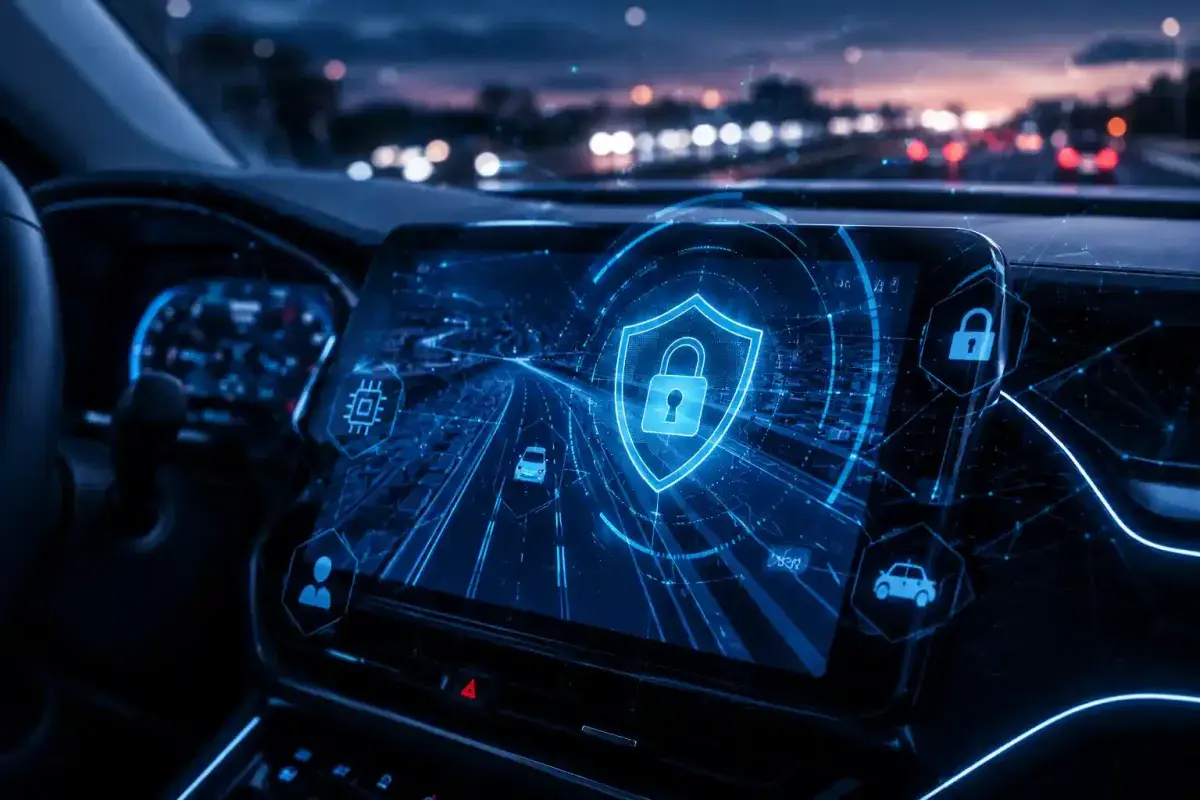
Today's vehicles are no longer just machines with engines, wheels, and steering systems. They have become highly sophisticated computers connected to cameras, radar, lidar, satellites, GPS, wireless networks, cloud services, and artificial intelligence.
Those connections are what allow a vehicle to understand its surroundings and make driving decisions.
They also create new responsibilities.
Like any connected technology, autonomous vehicles must be protected against software vulnerabilities, unauthorized access, and evolving cyber threats. Fortunately, vehicle manufacturers and cybersecurity experts recognize these challenges and continue investing heavily in stronger defenses.
Still, history reminds us that no connected system is ever completely immune.
Banks have experienced cyberattacks. Hospitals have been targeted by ransomware. Governments have dealt with sophisticated digital intrusions. Major technology companies with enormous cybersecurity budgets continue defending against new threats every day.
That does not mean these systems are failures.
It simply reminds us that cybersecurity is never finished.
As technology evolves, those trying to exploit it evolve as well.
Years ago, researchers demonstrated how GPS signals could be manipulated under controlled conditions, causing navigation systems to miscalculate a vehicle's location. Other researchers have explored ways certain sensors or artificial intelligence models might be confused in laboratory environments.
These demonstrations were never proof that autonomous vehicles are unsafe.
Instead, they served an important purpose.
They helped manufacturers identify weaknesses before criminals could exploit them.
That is exactly how security should work.
Finding vulnerabilities before they become real-world problems makes technology stronger, not weaker.
What concerns me is not whether autonomous vehicles can be made secure. I believe they can.
My question is much simpler.
Will security continue receiving the same attention after autonomous driving becomes ordinary?
History suggests that convenience often changes how we think.
When smartphones became part of daily life, many people stopped memorizing phone numbers. GPS navigation gradually replaced paper maps. Search engines changed the way we remember information. We began remembering where to find knowledge instead of remembering the knowledge itself.
Automation has always shifted some responsibility from people to machines.
That is not necessarily a bad thing.
But every time we surrender a little responsibility, we place a little more trust somewhere else.
Autonomous driving follows the same pattern.
When you drive a traditional vehicle, you remain responsible for every decision. You control the steering wheel, the brakes, and the accelerator. You can react immediately when something unexpected happens.
In a fully autonomous vehicle, much of that responsibility moves into software.
The software depends on developers.
Developers depend on secure coding practices.
Updates depend on protected servers.
Cloud services depend on organizations maintaining strong cybersecurity.
Each layer may be carefully designed, yet every additional layer also becomes another place where trust matters.
I am not suggesting that manufacturers intend anything harmful.
Quite the opposite.
Automotive companies invest enormous resources into improving safety. Engineers spend years testing vehicles under countless conditions before they ever reach consumers.
Their goal is to save lives.
But good intentions alone are not enough to secure complex digital systems.
Cybersecurity requires continuous attention because threats never stop evolving.
That is why transparency matters.
People should understand how autonomous vehicles receive software updates. They should know how sensitive data is protected. They should have confidence that independent experts regularly examine these systems instead of relying solely on internal assurances.
Trust grows stronger when it is supported by openness.
Blind trust rarely benefits anyone.
Perhaps that is why I find myself asking questions that others may not.
Not because I doubt innovation.
Because I respect it enough to believe it deserves careful scrutiny.
Throughout history, every major technological breakthrough has brought tremendous benefits alongside unexpected challenges.
Social media connected families across continents while raising questions about privacy and misinformation.
Artificial intelligence is transforming healthcare, education, and scientific research while also creating difficult conversations about ethics and accountability.
Connected devices have made homes smarter, but they have also reminded us that convenience and security must advance together.
Autonomous vehicles are likely to follow the same path.
They have the potential to make transportation dramatically safer.
That possibility deserves excitement.
It also deserves thoughtful questions.
Because progress is strongest when innovation and responsibility travel together.
Image
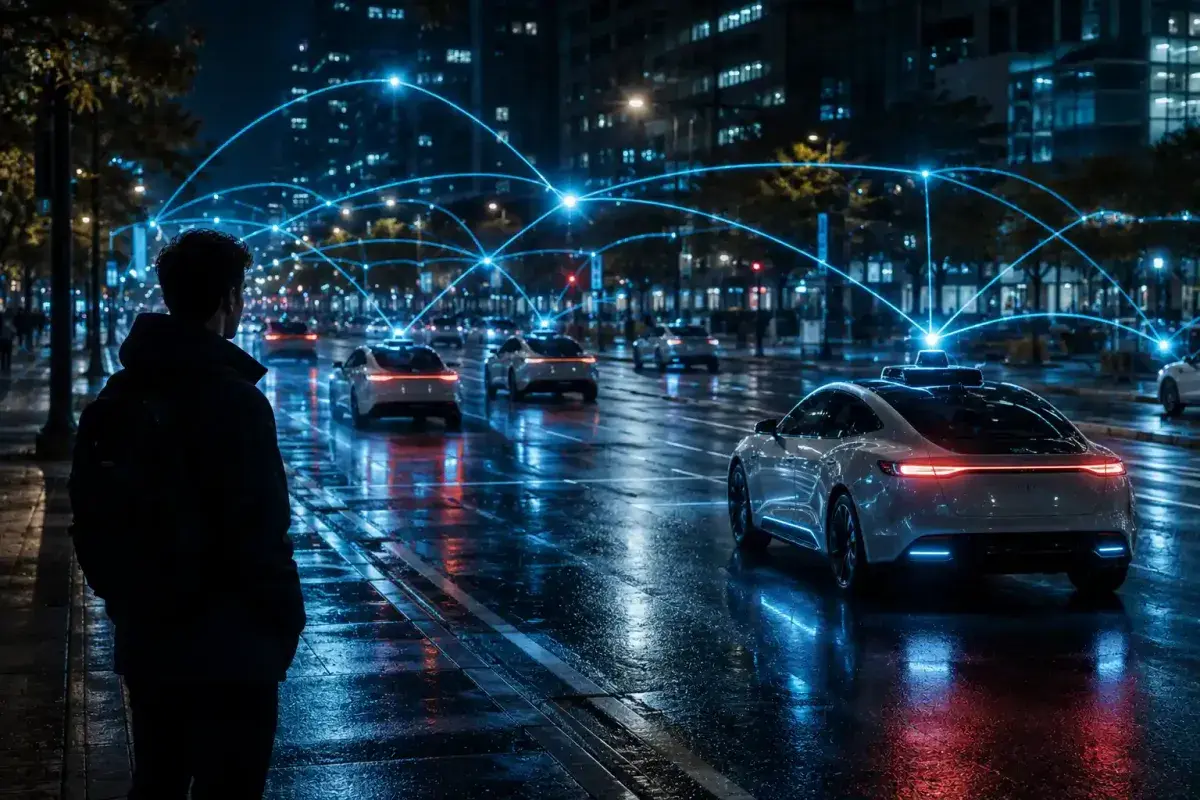
Sometimes I imagine stepping into a vehicle that no longer needs me to drive. I simply tell it where I want to go, sit back, and enjoy the ride. It is an exciting thought. It could free us from traffic stress, reduce fatigue on long journeys, and make transportation more accessible for people who cannot drive themselves.
Then another thought quietly follows.
What happens if something goes wrong?
I am not thinking only about mechanical failures. Cars have always required maintenance, and engineers have become remarkably good at making them reliable. What I think about is something less visible. I think about software. I think about data. I think about the invisible systems working behind the scenes every second the vehicle is moving.
Modern autonomous vehicles constantly collect information. Cameras observe the road. Radar and sensors monitor nearby traffic. GPS tracks location. Artificial intelligence processes enormous amounts of data to understand the environment and make driving decisions in real time.
That continuous flow of information is what allows the technology to function.
It also raises reasonable questions.
Who has access to that information?
How long is it stored?
Who decides how it can be used?
Most manufacturers publish privacy policies and explain how customer data is handled, and regulations in many countries are becoming stricter. Even so, technology continues to evolve faster than many laws. As connected vehicles become more common, transparency will become just as important as innovation itself.
Ownership is not only about possessing the vehicle parked in your driveway.
In today's connected world, ownership also involves understanding who controls the software, who manages the updates, and who protects the information generated every time the vehicle is driven.
That is a conversation worth having.
Image
One thing history has taught us is that every connected technology eventually becomes a target.
We have seen home security cameras compromised. Smart speakers have unintentionally recorded private conversations. Fitness apps have revealed sensitive location data. Even children's connected toys have experienced security issues.
None of these examples mean we should reject connected technology altogether.
They simply remind us that innovation and cybersecurity must grow together.
Autonomous vehicles deserve the same mindset.
The encouraging news is that the automotive industry has learned many lessons from the past. Manufacturers now employ cybersecurity specialists, perform extensive penetration testing, work with independent researchers, and even offer bug bounty programs that reward people for responsibly reporting vulnerabilities before criminals discover them.
That collaborative approach gives me confidence.
Security is strongest when companies invite scrutiny rather than avoid it.
Still, cybersecurity is never something we complete once and forget.
Every software update introduces new code.
Every new feature creates new possibilities.
Every improvement requires fresh testing.
It is a continuous process, not a finish line.
That is why independent oversight matters.
Commercial aviation has independent accident investigations. Medical devices undergo extensive testing before reaching patients. Critical infrastructure operates under strict regulatory standards because failures can have serious consequences.
As autonomous transportation becomes more common, similar principles should apply.
Independent audits.
Clear security standards.
Responsible disclosure of vulnerabilities.
Open cooperation between manufacturers, researchers, and regulators.
These are not obstacles to innovation.
They are part of what makes innovation worthy of public trust.
As someone who spent years working around surveillance and counter-surveillance technologies, I learned something that still influences the way I think today.
The most secure systems were never those that claimed to be impossible to break.
They were the systems that assumed someone would eventually try.
That mindset encourages humility.
It reminds us that preparing for unlikely situations is not pessimism.
It is responsible engineering.
Image
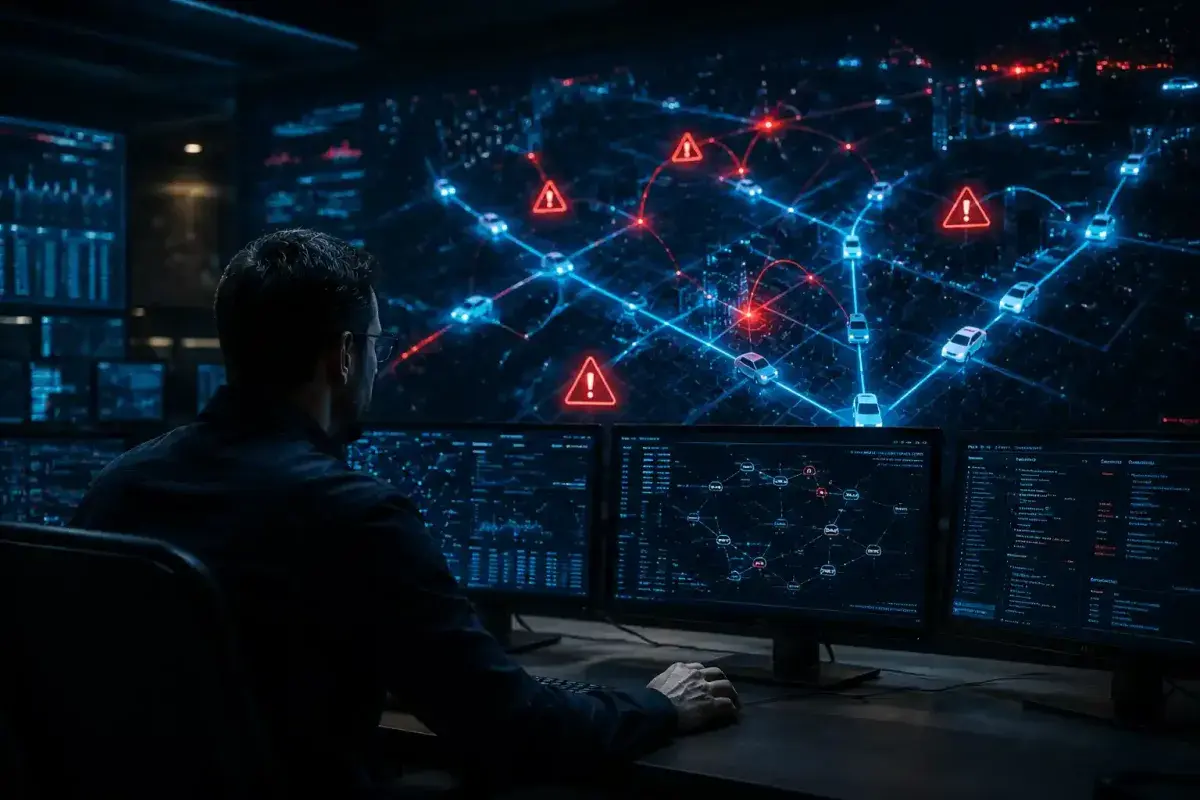
There is another reason this conversation matters.
Autonomous vehicles will eventually become part of something much larger than personal transportation. They may become part of national infrastructure, communicating with traffic systems, emergency services, public transportation, and other vehicles to improve safety and efficiency.
That level of connectivity offers tremendous opportunities.
It also means cybersecurity becomes a matter of public safety rather than simply personal convenience.
Protecting these systems will require cooperation between manufacturers, governments, technology companies, and independent security experts. No single organization can manage every challenge alone.
The goal should never be perfection.
No technology can honestly promise that.
The goal should be resilience.
When problems are discovered, they should be identified quickly, communicated responsibly, and resolved transparently. Public confidence grows when organizations acknowledge challenges and demonstrate how they are addressing them.
In many ways, that approach reflects one of the oldest principles in engineering.
Build carefully.
Test thoroughly.
Improve continuously.
I remain optimistic about autonomous vehicles.
I believe they have the potential to reduce accidents, improve mobility, and transform transportation in ways that could benefit millions of people. That future is worth pursuing.
At the same time, I hope we continue asking thoughtful questions as the technology matures.
Not because innovation should be slowed.
Because innovation deserves to be strengthened.
Looking back, I sometimes wonder whether my years working with surveillance and counter-surveillance technologies simply taught me to notice things that many people never think about. Once you have seen how important security architecture can be, it becomes difficult to look at any connected system without wondering how it is protected.
Perhaps that perspective has made me more cautious.
Or perhaps it has simply made me appreciate that trust is something earned over time.
The future of transportation will not be defined only by artificial intelligence, faster processors, or smarter sensors.
It will also be defined by the choices we make about privacy, accountability, transparency, and security.
Technology should make our lives better.
It should expand our freedom, not quietly reduce it.
That is why the conversation about autonomous vehicles is larger than cars alone.
It is really about how we choose to build the future.
Will we create systems that are not only intelligent, but also trustworthy?
Will we protect innovation with the same determination that we pursue it?
Will we remember that every line of code, every security update, and every engineering decision ultimately serves real people?
Those questions may never appear in a vehicle brochure.
But they are the questions I find myself asking.
Perhaps they are the questions that matter most.
Because in the end, the greatest measure of technological progress is not simply how advanced our machines become.
It is whether they continue to earn the confidence of the people who rely on them every day.
Final Word
As I reflect on the future of self driving cars, I find myself filled with both optimism and curiosity. I genuinely believe this technology can make our roads safer and improve countless lives. At the same time, I hope we never become so captivated by convenience that we stop asking thoughtful questions about security, privacy, and accountability.
Progress has always been at its best when innovation is matched by wisdom. Every generation inherits remarkable new tools, but it also inherits the responsibility to use them well. Autonomous vehicles may one day redefine transportation, yet their greatest achievement will not simply be driving us from one destination to another. It will be earning our trust every step of the journey.
That, more than anything else, is the future I hope we continue to build.