There are books people remember because they enjoyed reading them. Then there are books that stay because they seem to quietly move into your head and rearrange the furniture.
The Pearl by John Steinbeck was like that for me.
The first time I read it, I expected something old and distant. The kind of novella assigned in classrooms because someone decades ago decided teenagers should wrestle with symbolism before they understood why.
Instead I finished the book and sat there longer than usual, staring at nothing in particular.
Not because the ending shocked me.
Because it felt familiar.
That bothered me more than any surprise ever could.
I think many people approach The Pearl expecting a story about wealth corrupting a poor fisherman. But after sitting with it for years, I am not convinced greed is the true center of the novel.
I think the story is about something quieter.
I think it asks what happens when one dream becomes bigger than everything already in your hands.
And maybe that question matters now more than when Steinbeck wrote it.
If you have never read The Pearl, the story follows Kino, a poor pearl diver living with his wife Juana and infant son Coyotito. Their life is difficult but recognizable. Then a scorpion stings their baby. The local doctor refuses treatment because Kino cannot pay. Soon after, Kino discovers an enormous pearl and believes everything will change.
His son will go to school.
His family will escape poverty.
His future will open.
The pearl becomes possibility.
Then possibility becomes pressure.
Then pressure becomes fear.
And somewhere along the way, hope changes shape.
That transformation is where the book begins feeling less like fiction and more like a warning.
The Most Dangerous Thing the Pearl Takes
The pearl does not take Kino's safety first. It does not take his canoe first. It does not even take his peace.
The most dangerous thing the pearl steals is his ability to recognize what was already precious.
That sounds simple until you think about how often people do the same thing.
I catch myself doing it in ordinary ways. Telling myself life will feel easier after finishing one more project. Thinking success lives somewhere slightly ahead. Checking notifications while someone I love is talking. Believing I will slow down later. Believing gratitude can wait.
The scary part about ambition is not wanting more. People should want better lives. Parents want opportunities for children. Families want security. Dreams matter.
The danger begins when wanting more makes existing blessings feel invisible.
Kino starts seeing the future and gradually loses sight of the present.
That shift feels painfully modern. The pearl changes shape depending on the century. Sometimes it is money. Sometimes status. Sometimes audience size. Sometimes a business. Sometimes recognition. Sometimes proving something.
The object changes. The hunger underneath rarely does.
Image

Before the Pearl, Kino Already Had a Life
One thing I missed during my first reading was how much care Steinbeck gives ordinary details.
The canoe. The hut. Morning routines. The sound of family.
These details matter because Steinbeck is quietly showing readers what wealth actually means. Not money. Stability. Familiarity. Knowing tomorrow will resemble today. Having people beside you.
The canoe especially stayed with me. It is not just transportation. It carries generations. Identity. Survival. History.
Reading those sections years later made me think about my own versions of the canoe. Nothing impressive. The sound of rain while drinking coffee before everyone wakes up. A familiar chair. Conversations at dinner. Working on something meaningful without measuring whether it will become profitable.
These things would look insignificant beside a giant pearl. Yet losing them would hurt more.
I wonder how many people realize what their canoe is only after it disappears.
The Entire Town Changes, Not Only Kino
One reason The Pearl unsettled me is because the corruption spreads outward.
The doctor suddenly becomes interested. The priest appears. The pearl buyers circle. Everyone sees opportunity.
Steinbeck understood something uncomfortable. Greed is rarely isolated. It becomes social. Entire systems learn to orbit around wealth.
Reading those chapters now feels strange because modern life often rewards constant extraction too. A hobby becomes content. Content becomes income. Income becomes brand. Brand becomes expectation. Sometimes even rest gets turned into productivity advice.
I have noticed that whenever someone says they enjoy something simply because they enjoy it, another person eventually asks how to monetize it. Not always maliciously. Sometimes automatically. As if joy without profit is incomplete.
I kept wondering while reading whether Kino's tragedy begins when he finds the pearl or when everyone around him teaches him to imagine bigger futures. Because imagination has power. Once people see another version of life, returning becomes difficult.
Juana Might Be the Wisest Character in the Entire Story
I used to think Kino carried the emotional center of the novel. I do not anymore.
I think Juana understands the story long before anyone else. She recognizes danger while others still see opportunity.
That difference matters. Modern culture celebrates relentless pursuit. Push harder. Want more. Never stop.
Yet Juana represents another kind of wisdom. The ability to ask whether something valuable is becoming destructive. That is not fear. That is clarity.
I think about how often caution gets mistaken for negativity. How often people who protect peace appear less ambitious than people chasing more.
Juana sees clearly. Not because she lacks dreams. Because she understands cost.
Those are different things. And maybe that is why she stayed with me more than Kino. Her strength feels quieter. More difficult.
There are moments in life where courage means continuing forward. There are other moments where courage means letting go. Stories often celebrate the first kind. Real life probably requires both.
Image

Reading The Pearl as an Adult Feels Different
Books change because readers change.
The first time someone reads The Pearl, they might focus on plot. Years later, different details surface. Responsibility changes interpretation. Loss changes interpretation. Pressure changes interpretation.
As a younger reader I thought the lesson was simple. Do not become greedy.
Now I think the book says something harder. People rarely lose themselves all at once. It happens gradually. One compromise. One justification. One promise that sacrifice today will create peace tomorrow.
Eventually tomorrow keeps moving.
I think that is why the ending hurts. Not because tragedy arrives. Because readers can see how ordinary the beginning was. Kino did not start as a villain. He wanted a safer future. Education for his son. Dignity. Security.
Those desires feel human. Which means the distance between readers and tragedy becomes uncomfortable.
The Ending Refuses Easy Comfort
I used to dislike endings without redemption. I wanted lessons wrapped neatly. Growth rewarded. Pain balanced.
Somewhere along the way, age changed that expectation.
I used to think good endings had to offer comfort. I do not anymore. The Pearl ends with loss.
Not symbolic loss.
Real loss.
And afterward there is no speech explaining meaning. No guarantee suffering creates wisdom.
Only silence.
The silence stayed with me longer than anything dramatic could have. Because silence feels honest. People survive things they never fully recover from. Families continue. Morning arrives. Meals get cooked. Work resumes.
Yet something remains altered. The world looks slightly different afterward.
Steinbeck understood this. The ending does not offer happiness. Maybe it offers something smaller. Recognition.
Learning to Hold Pearls More Loosely
I have not stopped wanting things. That is not what The Pearl taught me.
I still have ambitions. Projects. Goals. Ideas about what life might become.
The lesson feels more difficult than abandoning dreams. The lesson is asking whether any dream is becoming so large that it blocks the view of everything already valuable. Whether success is quietly replacing presence. Whether future versions of happiness are stealing current ones.
I fail at this often. I suspect many people do.
Some books wait for you. You read them at sixteen and think they mean one thing. Then years later they are sitting in the same place, quietly meaning something else.
I keep coming back to this idea.
The pearl steals Kino's ability to recognize enough.
Not losing wealth.
Not losing status.
Losing the ability to see what was precious before ambition arrived.
Image
Final Reflection
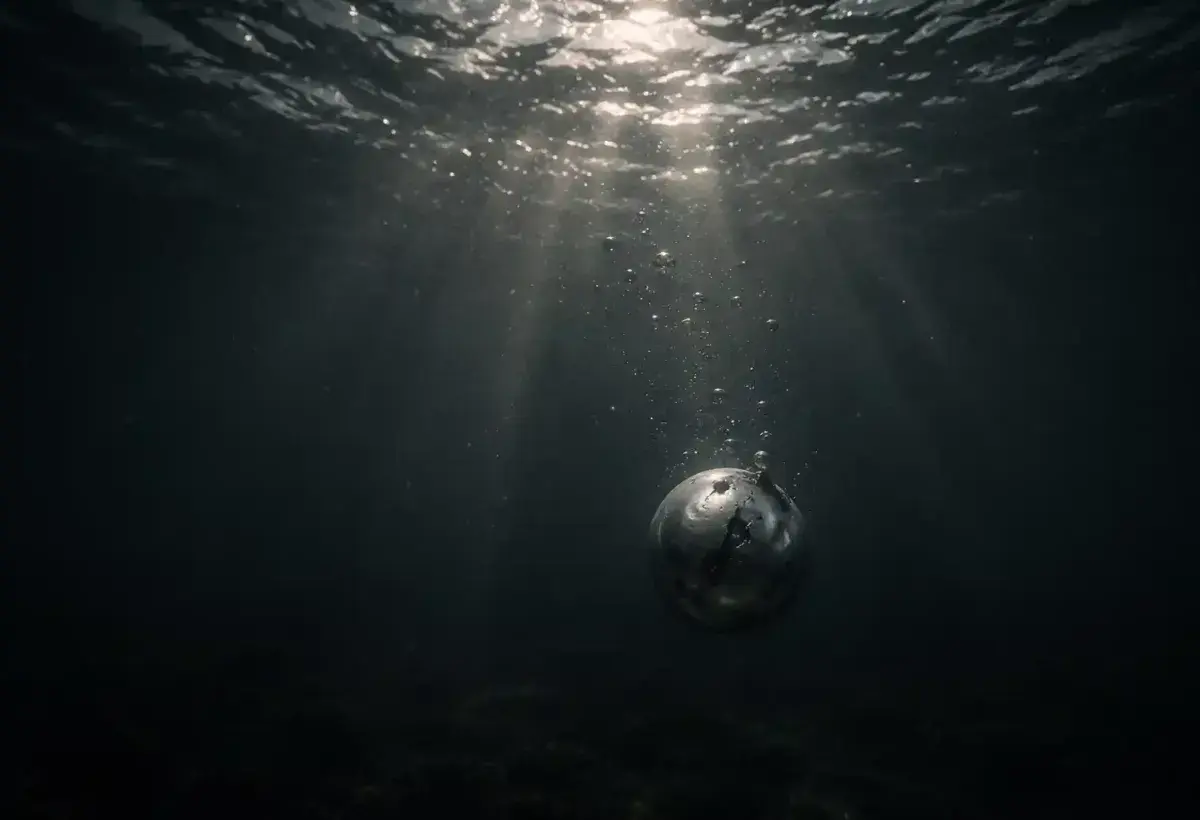
At the end of The Pearl, I kept thinking about something strange. The pearl returns to the sea. But the people do not return unchanged.
Maybe that is true of every ambition people chase. Some dreams reshape us even when we let them go. Some losses remain. Some lessons arrive late.
I still think about the ordinary things Steinbeck placed at the beginning of the story. The canoe. The family. The routines. The songs.
Because maybe the novel was never asking readers whether wealth is dangerous. Maybe it was asking a quieter question. What would you risk before realizing you already had enough?
I am not sure most people answer that honestly. I am not sure I do either.
That uncertainty might be why The Pearl continues to echo long after the final page.
The ocean becomes quiet again.
The pearl disappears.
Life keeps moving because it always does.
But somewhere underneath all the noise people create around success, there is another voice. Slower. Older. Trying to remind us to hold our canoes closer and our pearls more loosely.
I do not think Steinbeck wrote The Pearl to convince people to stop dreaming. I think he wrote it for the moments when dreams become louder than everything we would have protected before we started chasing them.
Maybe wisdom is not giving up ambition.
Maybe it is learning to notice when ambition begins asking for too much.
Note: This article contains personal interpretation and analysis of The Pearl by John Steinbeck.
And maybe growing older is slowly learning which things in your life are pearls, and which things were canoes all along.