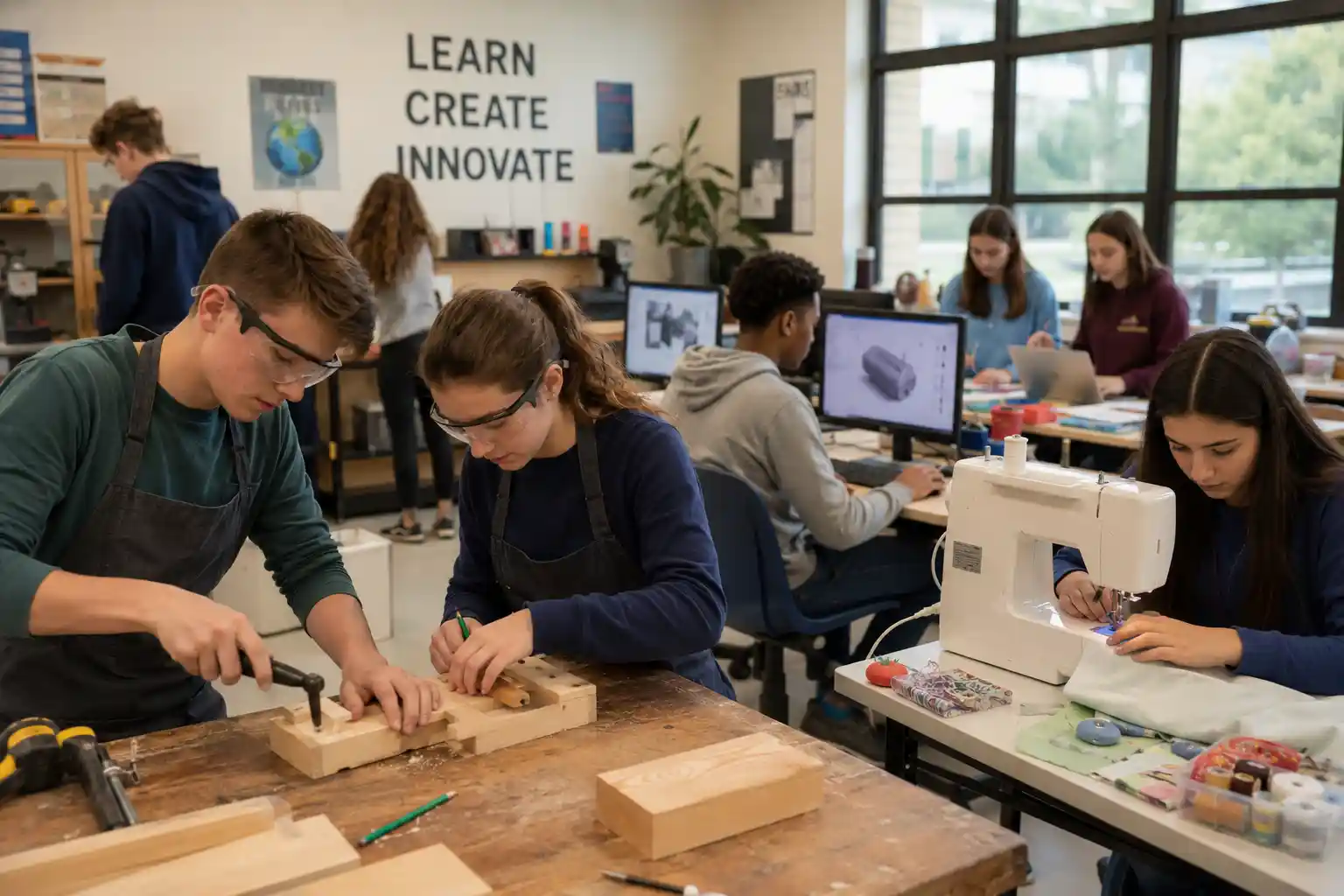
The smell of sawdust, the sound of tools running, and the quiet focus of students working on projects are memories that stay with me from my school years in the 1980s.
I still remember the feeling of creating something with my own hands. A mistake in wood shop meant learning how to fix it. A torn piece of clothing in home economics became a lesson in patience and problem solving. These were not just classes. They were experiences that taught us how to handle everyday life.
Back then, school was not only about algebra, literature, science, and history. It was also about preparing students for independence.
Many schools offered practical classes such as home economics, wood shop, small gas engine repair, graphic arts, typing, and farming. Students learned how to cook, sew, build, repair, create, and understand the world around them.
The message was simple.
One day, you would be responsible for yourself.
When I was fifteen years old, the idea of becoming independent already felt real. Like many teenagers at the time, I started looking for ways to earn money. I cut grass, worked part-time jobs, and saved money with the goal of buying a car and preparing for adulthood.
There was a strong expectation that when you became eighteen, you would begin your own journey. You would move out, find your direction, and learn how to stand on your own.
The transition from teenager to adult was not always easy, but many of us felt like we had been preparing for it for years.
Today, the world is different.
Education has changed. Society has changed. Technology has changed the way we live, work, and communicate.
There are many benefits to the modern world. Students today have access to information that previous generations could never imagine. They can learn new skills online, connect globally, and prepare for careers that did not exist decades ago.
But there is still an important question.
Are we teaching enough of the skills needed for everyday life?
The Value of Learning by Doing
Image
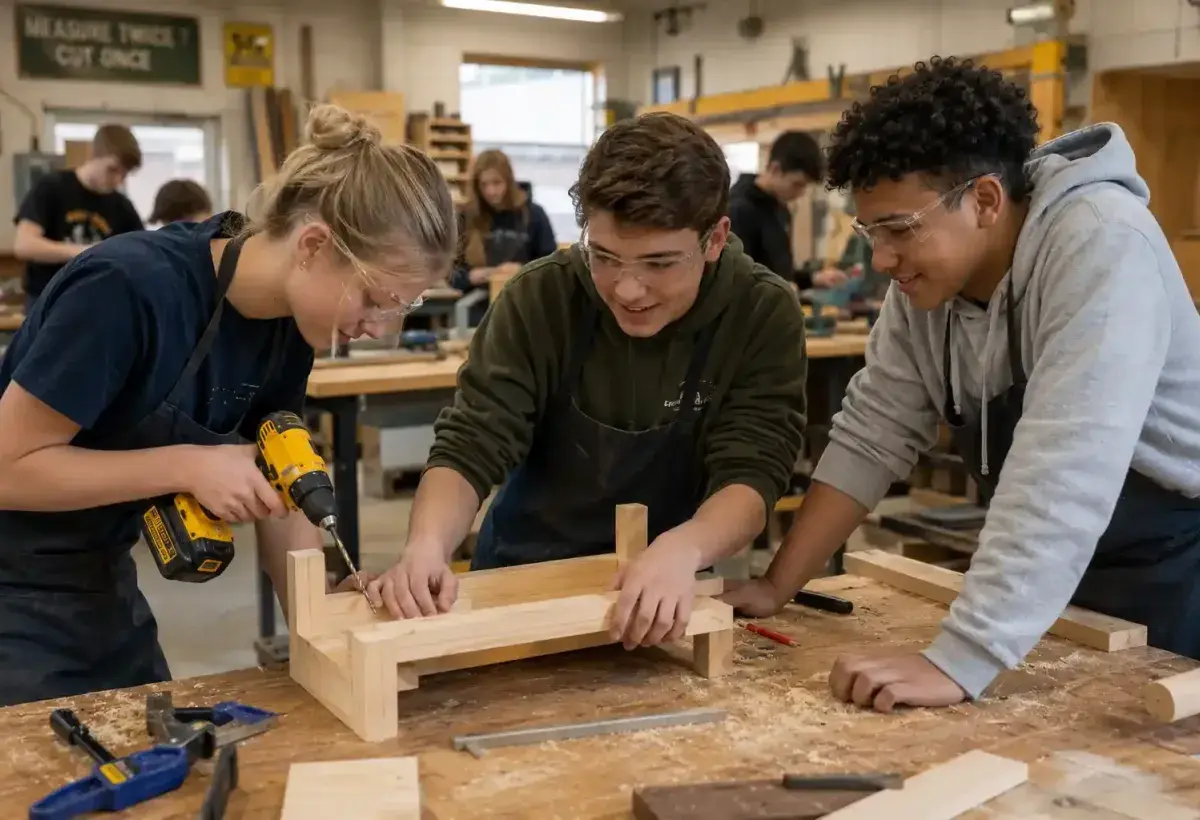
The practical classes I experienced were valuable because they taught more than the skill itself.
Home economics was not only about cooking. It was about understanding food, planning meals, and managing resources.
Learning to sew was not only about making something look good. It was about knowing how to repair something instead of immediately replacing it.
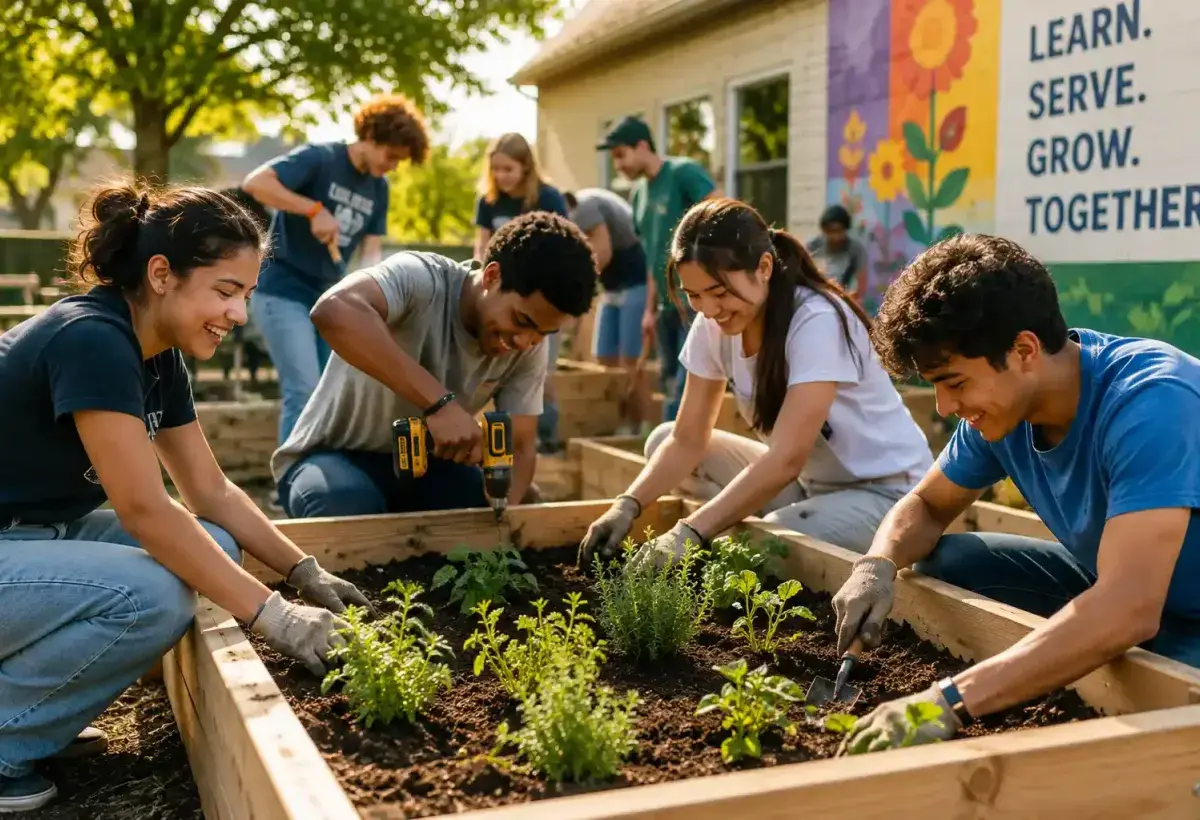
Wood shop was not only about making a project. It taught measurement, patience, attention to detail, and the satisfaction of completing something from beginning to end.
Small gas engine classes showed us how machines worked. A machine was no longer something mysterious. It became something that could be understood.
Those lessons created independence.
They also created confidence.
There is something powerful about solving a problem with your own hands. It changes the way you approach challenges. Instead of thinking, "I cannot do this," you start thinking, "I can learn how."
That mindset stays with you.
A person who learns how to fix something broken may become someone who stays calm during difficult situations. A person who learns responsibility through a small job may become someone who understands commitment.
The lesson was never just the project.
The lesson was believing you were capable.
These classes also taught collaboration. Students helped each other, shared tools, solved problems together, and learned that teamwork was part of success.
Those skills mattered just as much as the technical knowledge.
When School Connected to Life
The education experience of the past was closely connected to the culture around it.
Many teenagers worked part time jobs. They learned how to show up on time, communicate with coworkers, handle customers, and understand the value of earning money.
A first paycheck was not just money.
It was a lesson.
It taught responsibility.
It taught independence.
It taught that effort creates results.
I think back to my first jobs cutting grass for neighbors. It was a simple job, but it taught me things I still remember today.
I had to decide what to charge. I had to show up when I promised. I had to do the work properly. If I did a poor job, people would not hire me again.
That experience taught me something important.
My actions had consequences, and my reputation mattered.
Looking back, school was only part of the preparation. Families also expected children to contribute at home, take responsibility, and slowly learn how the world worked.
Today, young people often reach adulthood differently.
Housing costs are higher. Careers require different preparation. The path after high school is more complicated.
Many young adults continue living with family longer, and that is often a practical decision.
However, independence still requires practice.
A person does not suddenly become prepared for life the day they leave home. Those skills are built slowly through experience.
That raises an important question.
Are children getting enough opportunities to practice responsibility before they need it?
The Shift Toward Academic Success
Over time, education placed more focus on academic achievement, college preparation, and standardized measurements.
Those areas matter.
Reading, writing, mathematics, science, and technology are essential skills.
The challenge is finding balance.
A student can be academically capable and still feel uncertain about everyday adult responsibilities.
How do I create a budget?
How do I understand a contract?
How do I prepare a meal?
How do I repair something simple?
How do I solve a problem when nobody is there to guide me?
These are not questions about intelligence.
They are questions about preparation.
Education should help students become capable adults, not only successful students.
The focus on college preparation opened doors for many people, and that is a positive achievement. More students had opportunities that previous generations did not always have.
But along the way, practical learning became less visible.
Some hands-on programs disappeared. Some schools reduced courses that taught everyday skills. Many families and communities began placing greater attention on academic achievement while practical experience received less attention.
The result is not that young people are incapable. The issue is that many have fewer opportunities to build confidence through real experience before adulthood arrives.
The Cost of Losing Practical Skills
Image

There is a real cost when practical skills disappear.
Many young adults feel pressure about the future. They worry about careers, finances, and the challenges of becoming independent.
One reason is that confidence often comes from experience.
When you learn a skill by doing it, you prove to yourself that you can handle challenges.
Practical classes once provided safe environments to make mistakes.
You built something incorrectly.
You tried again.
You improved.
That process taught resilience.
Mistakes became part of learning instead of something to fear.
There is also an economic side.
Many industries need skilled workers. Fields such as construction, electrical work, manufacturing, automotive repair, and technology require people who can think and create.
Not every successful career begins in a traditional classroom.
Some people thrive by working with their hands, solving problems, and building things.
A strong education system should help students discover their strengths.
It should not suggest that only one path leads to success.
There is also an environmental lesson.
A person who knows how to repair, reuse, and maintain things understands the value of what they own.
Learning practical skills can encourage responsibility and reduce the habit of simply replacing everything when something breaks.
Finding the Balance Between Past and Future
Image
The answer is not to completely return to the past.
The world has moved forward.
Students today need technology skills. They need creativity. They need critical thinking. They need the ability to adapt because the future will continue changing.
But practical learning still has a place.
The classroom of the future does not need to look exactly like the classroom of the 1980s.
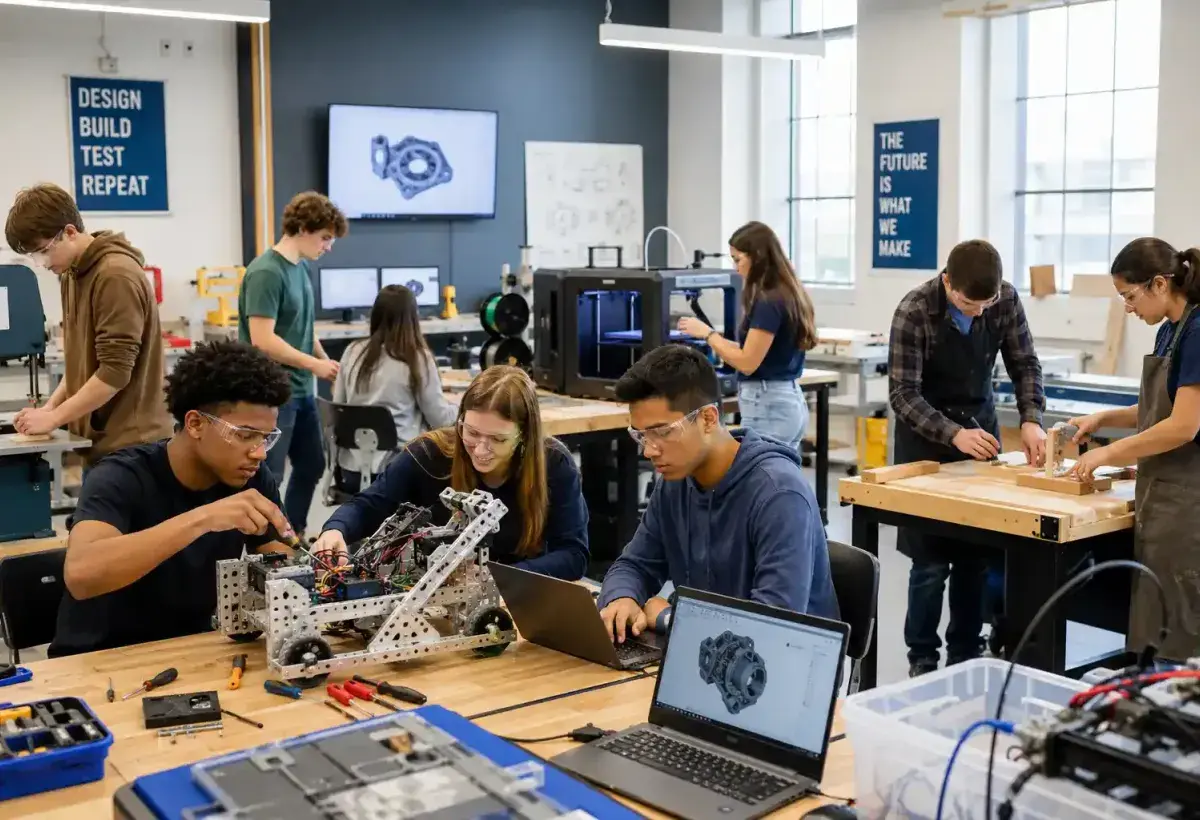
A modern version of practical education could include robotics, digital design, renewable energy, engineering projects, financial literacy, cooking, and real-world problem solving.
The goal is not choosing between books and hands on learning.
The goal is combining them.
A student who understands technology and practical skills has a stronger foundation.
A student who knows theory and application is better prepared.
A student who can think and create is ready for change.
Success in education should not only be measured by test scores or college acceptance.
We should also ask:
Are students confident?
Are they responsible?
Can they solve problems?
Can they adapt?
Can they take care of themselves?
These qualities matter.
Growing up has always required more than knowledge. It requires judgment, patience, responsibility, and the ability to handle unexpected situations. Those lessons do not always come from a textbook. They come from experience.
The Real Purpose of Education
When I think back to my younger years, I do not remember every assignment or every test.
I remember experiences.
I remember learning that work had value.
I remember trying things that were unfamiliar.
I remember discovering that mistakes were not the end of the world.
Those lessons stayed with me.
Education is ultimately about preparing people for life.
A diploma is important.
A career is important.
Knowledge is important.
But confidence, responsibility, and independence matter too.
Every child eventually leaves the classroom.
They will face decisions, challenges, and unexpected problems.
The world will always ask something of them.
The question is whether we have given them the tools to respond.
The best education does not only prepare someone to get a job.
It prepares someone to build a life.
The smell of sawdust and the sound of sewing machines may be fading memories, but the values they represented are timeless.
Independence.
Responsibility.
Creativity.
Confidence.
Those things never go out of style.
If we want to prepare children for the real world, we need to teach them not only what to think, but how to do.
That is the education every generation deserves.
Image